How to Frame and Care for Original Art and Fine Art Prints
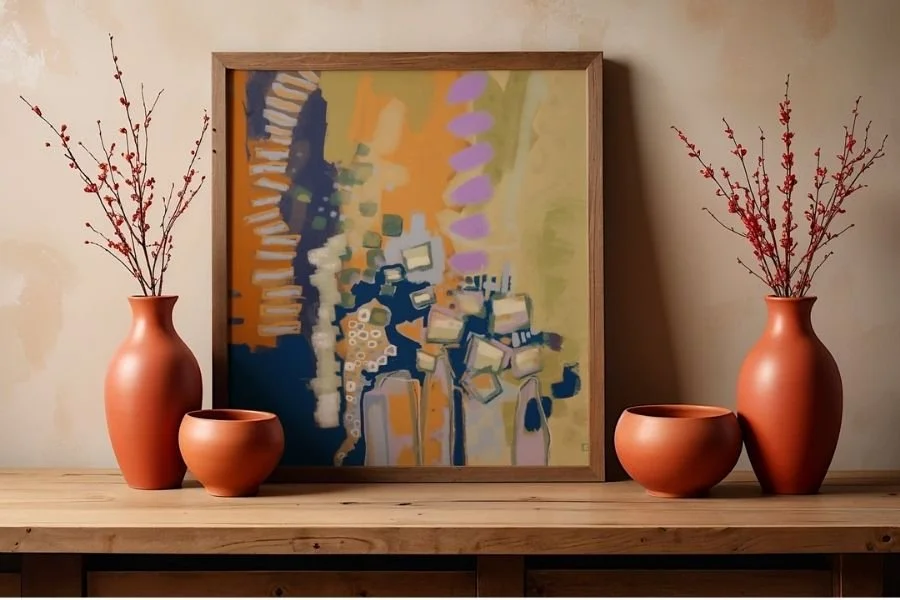
How to Frame and Care for Original Art and Fine Art Prints
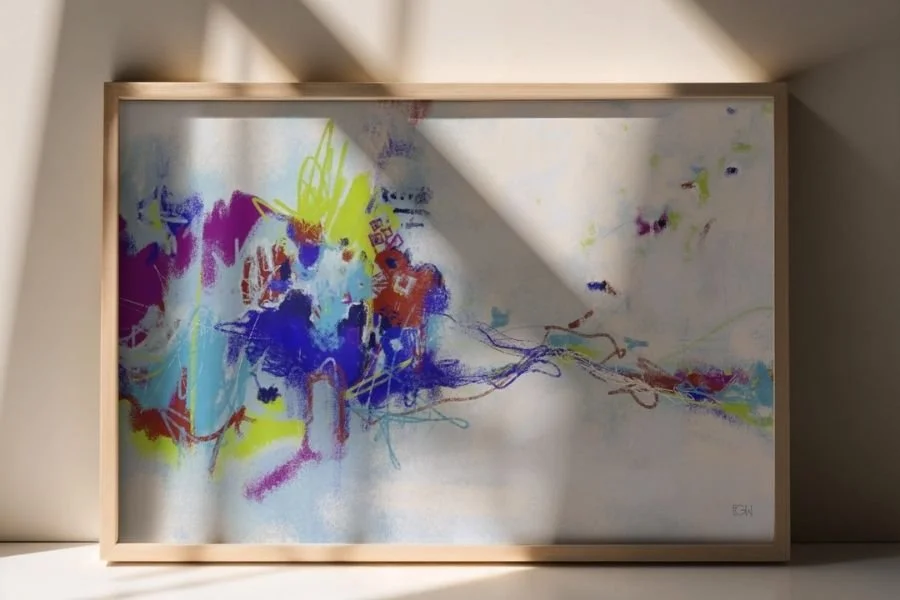
As an artist, you spend a long time sitting alone with your work before you ever put it out into the world. You do not know what people will think of it, and honestly, you are not always sure what you think of it either. It lives in that strange in between space for a while, half hobby, half secret.
I remember the first time I had a few of my prints custom framed. I pulled them out of the box and nearly gasped. They looked beautiful. I had been staring at these pieces for months, but somehow the frame and the mat made them look like something entirely new. More finished. More real. And the next step was the final one, hanging them on the wall, which felt surprisingly surreal. I was not hiding the art anymore. It was not just this quiet thing I loved in private. I had made something, and now it looked like I had made something.
That moment taught me a lesson I still think about every time I frame a new piece. Put as much thought into your frame as you put into choosing the art itself.
Why the Frame Matters More Than People Think
Around that same time, I had a few prints sitting around, pieces I did not plan to hang. Eventually I threw them into some budget frames just to fill a few empty walls, figuring I would swap the art out eventually anyway. The frames were not terrible, but they cheapened the work in a way I was not expecting.
It is a bit like serving good wine in a plastic cup. The wine has not changed, but suddenly it does not taste quite as good, and you cannot fully explain why.
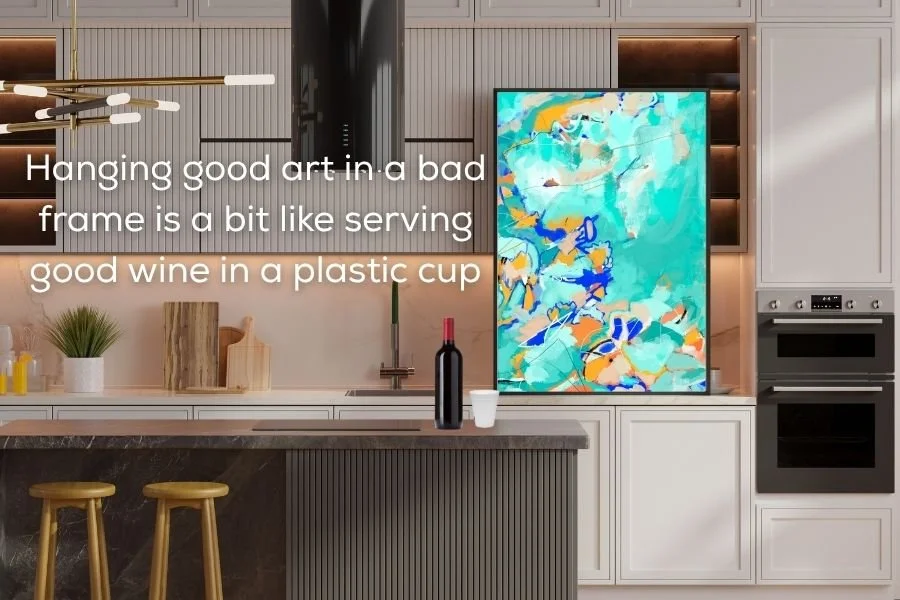
A frame is not just packaging. It is part of the presentation, and it has real influence over how a piece reads on the wall. The same painting or print can look like a stunner or an afterthought depending entirely on what surrounds it.
Framing Fine Art Prints
Since prints ship unframed, you get to choose exactly how a piece is presented, which is honestly a nice bit of creative control. A few things worth thinking through as you shop for a frame.
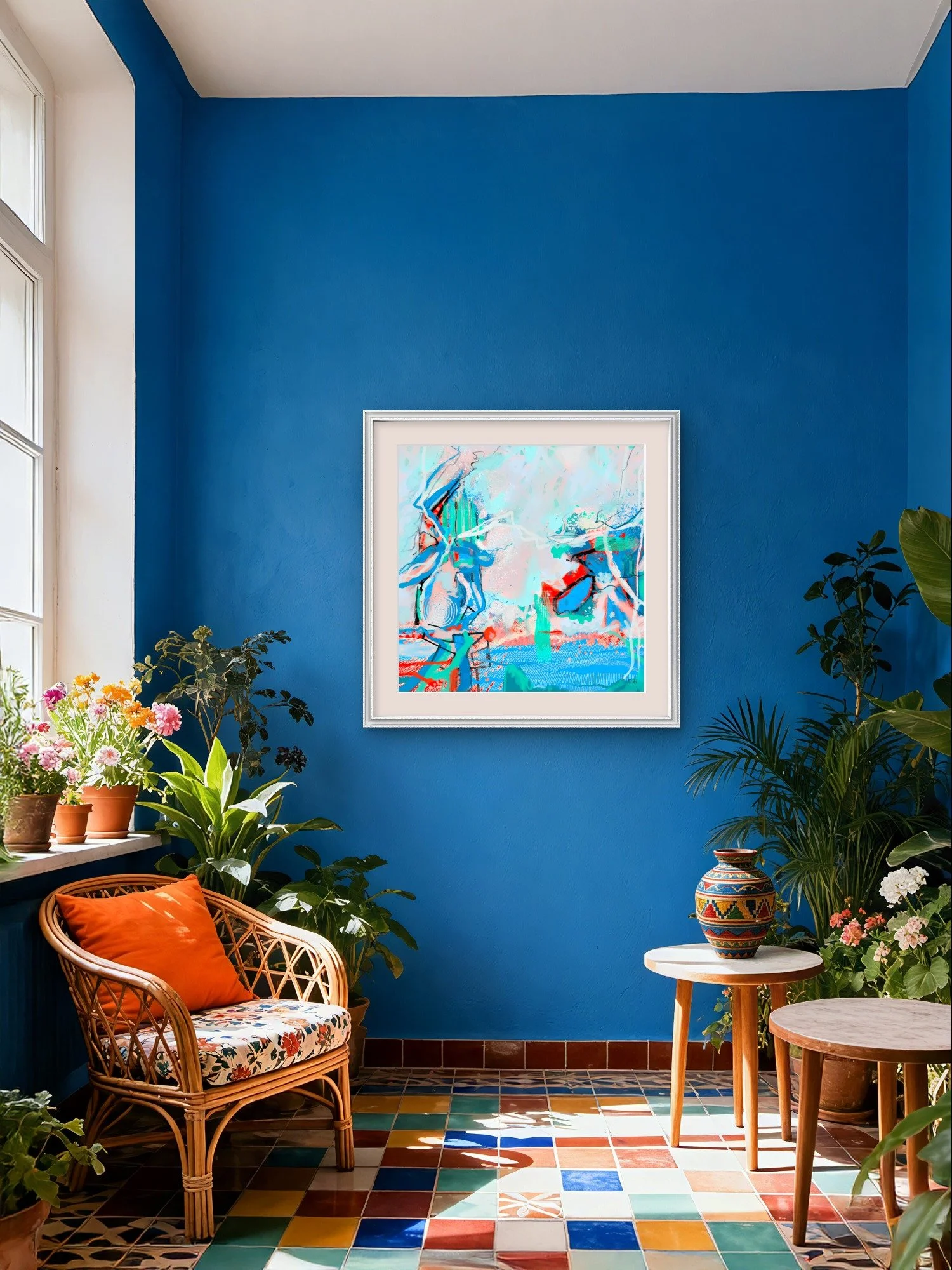
Matting. A mat does more than add visual breathing room around the print. It also keeps the paper from touching the glass directly, which protects the surface over time. A generous mat tends to make a print feel more considered and gallery like, rather than squeezed into the frame.
Glazing. Regular glass is fine, but UV protective glass or acrylic is worth the upgrade for anything hanging near a window or in a bright room. It slows fading significantly and is one of those details that pays off years down the road, long after you have forgotten you paid extra for it.
Frame material and finish. The finish you choose, whether that is a warm wood tone, a clean black, a soft white, or a brushed metal, can either blend into a room or stand apart from it on purpose. Both approaches work. What matters is that the choice is intentional rather than an afterthought.
Sizing. Give the print a frame that fits its ambition. A piece that is too small for its frame, padded out with excess mat to make up the difference, rarely looks as intentional as a piece sized to actually fill the space it is given.
I ship prints framed and unframed on purpose. Buying just a print means you are not stuck with a generic, mass produced frame that was never chosen with your space in mind. You get to pick materials and tones that genuinely fit your room and your taste, which almost always looks better in the end anyway.
Framing Original Paintings
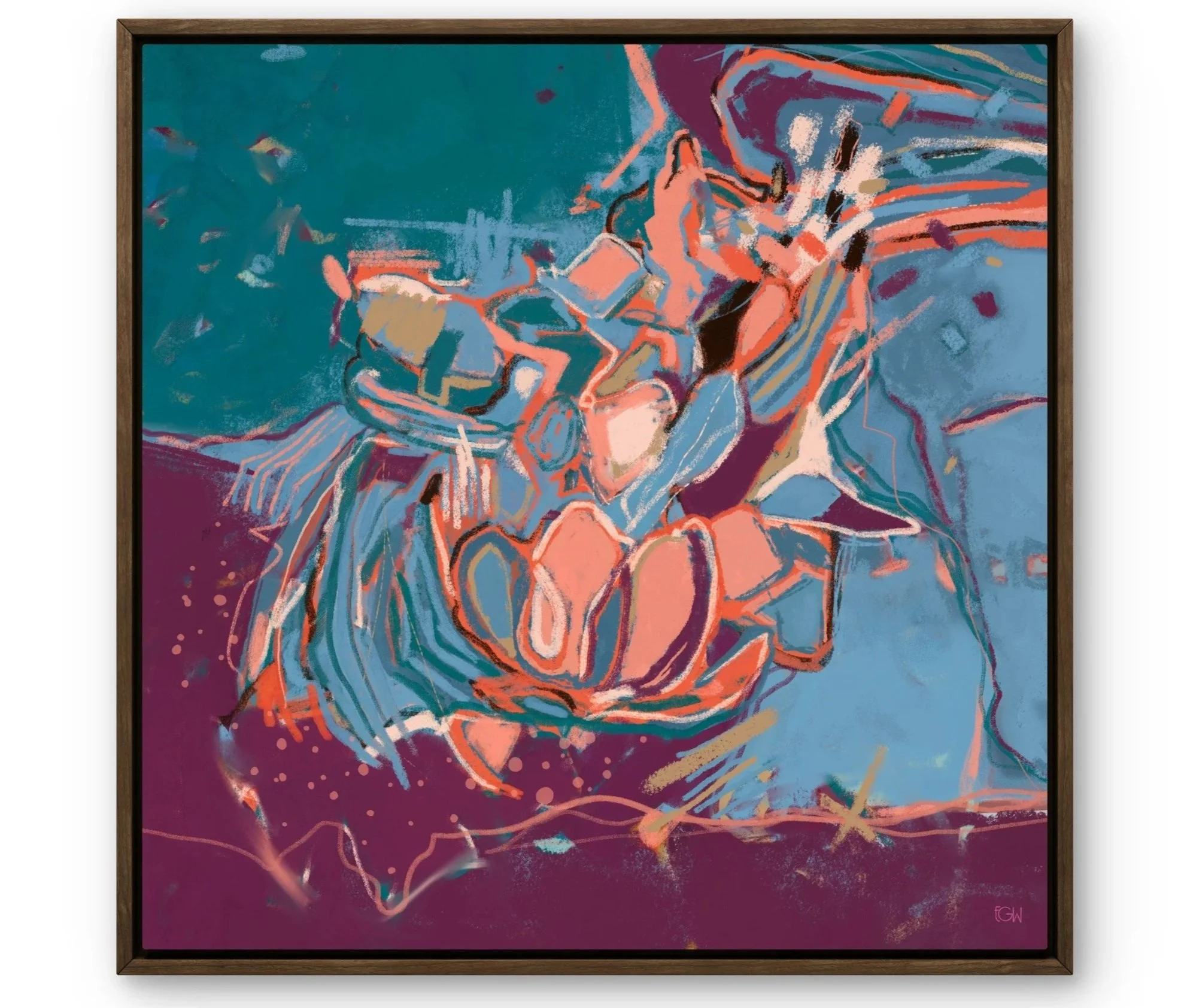
Original paintings ask for a slightly different approach, and this is where I have a genuine soft spot. I love a solid wood or sturdy metal floating frame with real depth to it.
A floating frame holds the canvas slightly inset, so there is a small visible gap between the edge of the painting and the frame itself. It preserves the painted edges rather than covering them, and it gives the piece a sense of presence on the wall that a flat, shallow frame simply cannot match. There is something almost sculptural about it. A deeper profile in solid wood or metal, rather than a thin composite material, also tends to hold up beautifully over time and feels substantial the moment you see it.
Not every original needs a frame at all. Some paintings are finished on the sides and look completely intentional hung as is, with nothing but the canvas itself. But if you are choosing a frame for an original, a deep floating frame is almost always the direction I would point you toward. It reads as gallery quality, and it suits abstract work especially well.
How to Care for Fine Art Prints
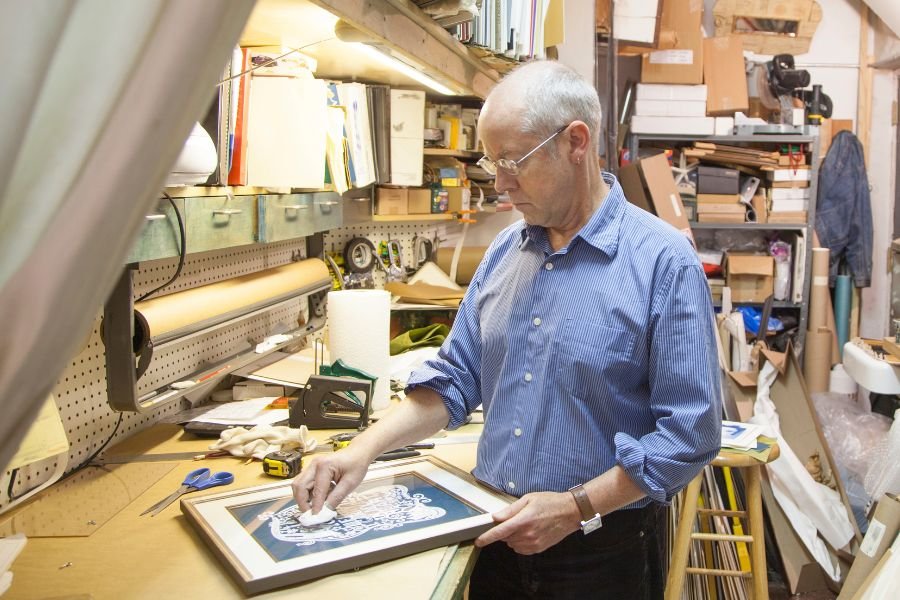
Once your print is framed and hung, a little care goes a long way toward keeping it looking as good as the day it arrived.
Keep it out of direct sunlight whenever possible, even with UV protective glazing, since prolonged exposure can still cause fading over the years. Avoid hanging prints in high humidity spaces like bathrooms or uninsulated rooms, since moisture can warp the paper or affect the mat underneath the glass. When it comes time to clean the glass or acrylic, use a dry or slightly damp microfiber cloth, and never spray cleaner directly onto the glazing, since it can seep in around the edges. And always handle a framed print by the frame itself rather than touching the print surface, even before it is hung.
How to Care for Original Paintings
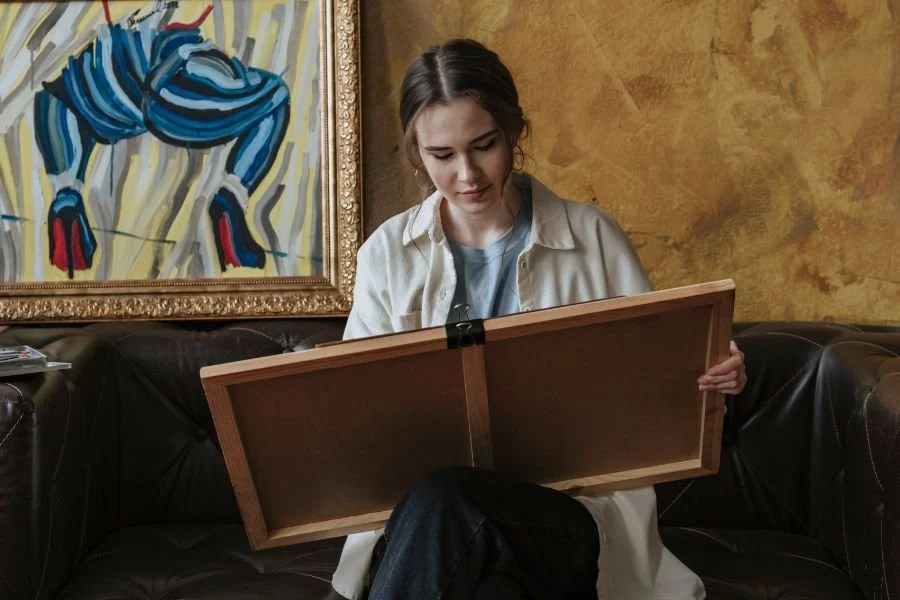
Original paintings need a slightly different kind of attention, since you are caring for the paint itself rather than a print behind glass.
Keep paintings away from direct sunlight, which can fade or shift certain pigments over time depending on the materials used. Keep them away from heat sources and humidity swings as well, so avoid hanging a painting too close to a vent, a fireplace, or in a bathroom. When dusting, use a soft, dry brush or cloth, and skip water or cleaning products entirely, since they can affect the paint surface in ways that are hard to reverse. Try to avoid touching the painted surface directly with your hands, since the natural oils on skin can affect the paint over time, especially with certain finishes. And if you ever need to move a painting, always carry it by the frame or the stretcher bars along the back, never by pressing on the canvas itself.
Checklist for Framing and Caring for Your Art
A quick list to keep handy the next time you are framing or hanging a new piece.
Does the frame match the ambition of the piece, not just the budget.
Is the glazing UV protective if the piece will hang anywhere near sunlight.
Is it a deep floating frame for an original canvas, if that gallery feel is what you are after.
Is the piece hung away from direct sun, humidity, and heat sources.
Are you dusting gently, without ever touching the art surface directly.
And are you handling it by the frame or stretcher bars, rather than the canvas or print itself.
A Final Thought
There is something meaningful about the moment a piece of art finally gets framed and hung. It stops being something tucked away and becomes something lived with, something that gets to be part of a room and a life rather than sitting in a box waiting for the right moment.
Take the same care with the frame that you took choosing the art in the first place, and give the piece the presentation it deserves. If you are still looking for that piece, feel free to browse the collections, and if you want to see new work as it is added, the studio list is the easiest way to stay in the loop.
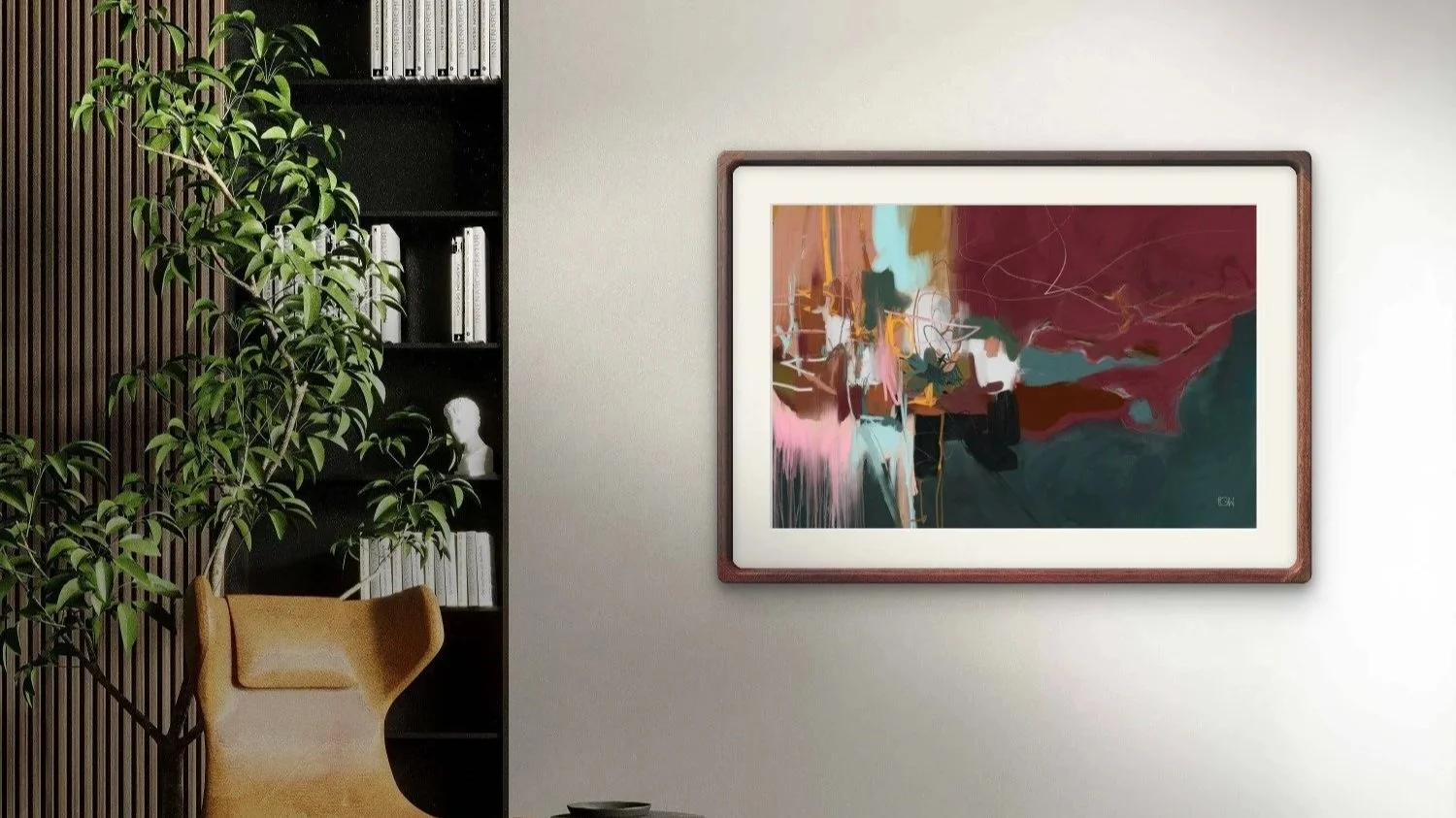
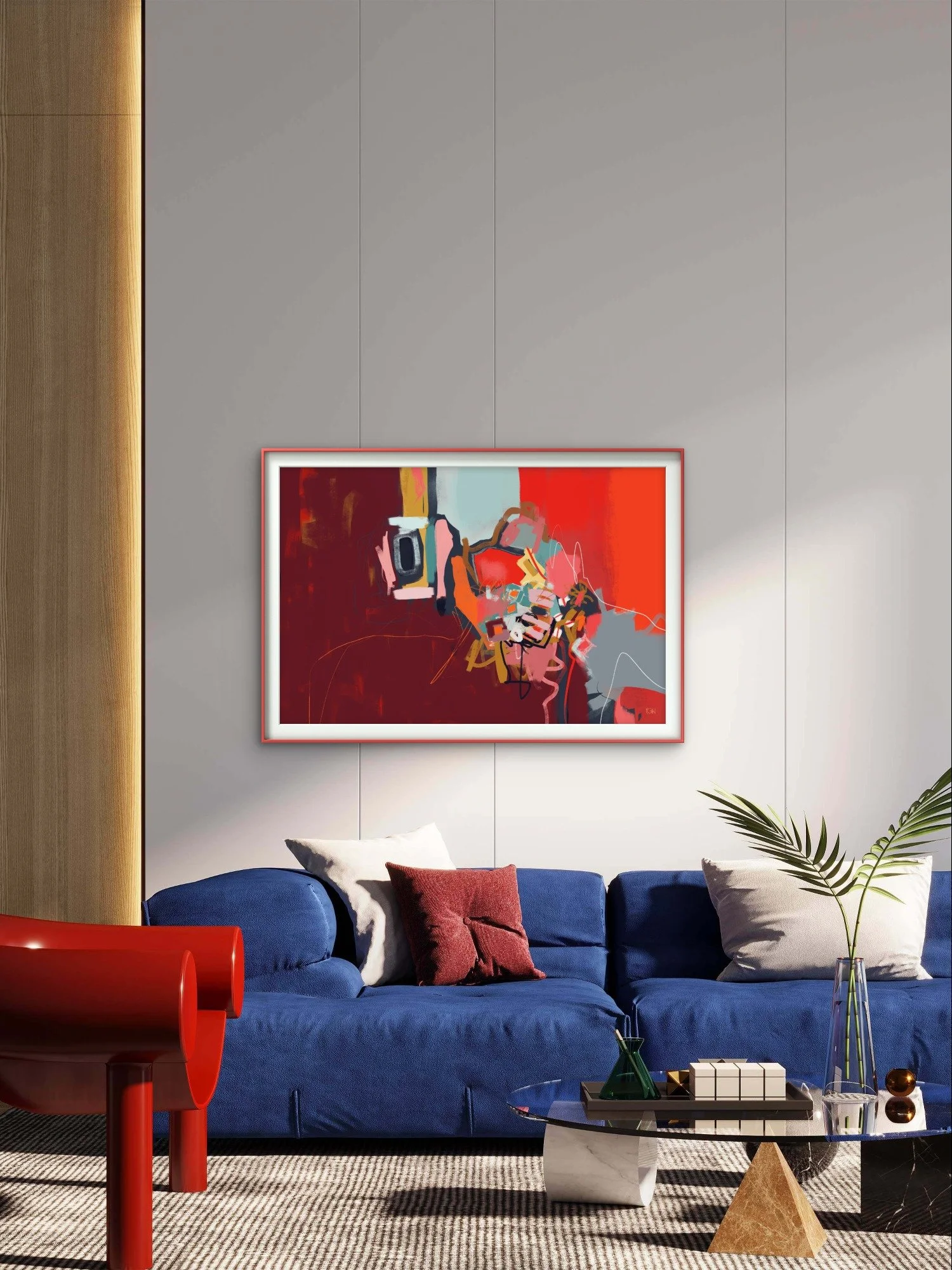
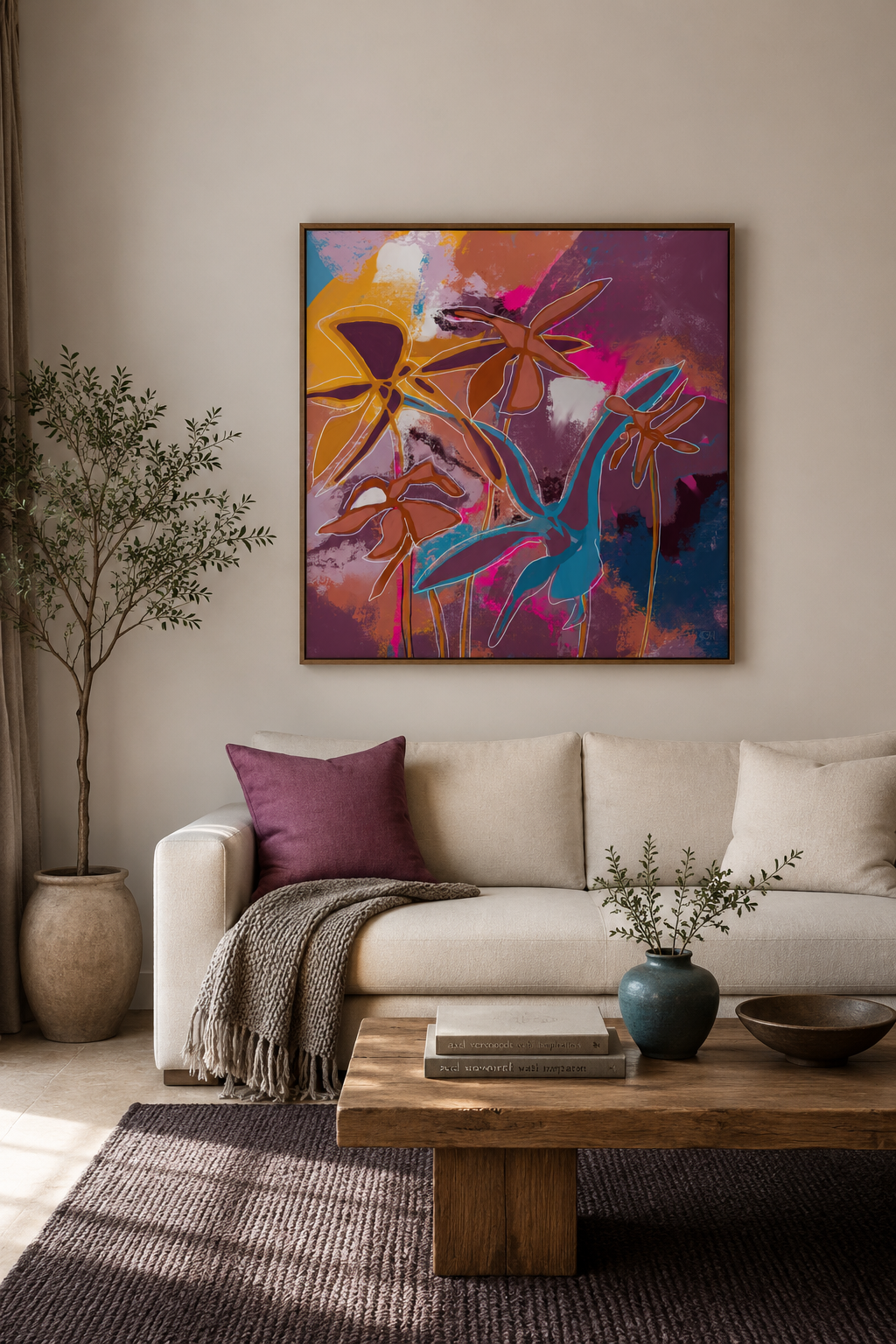
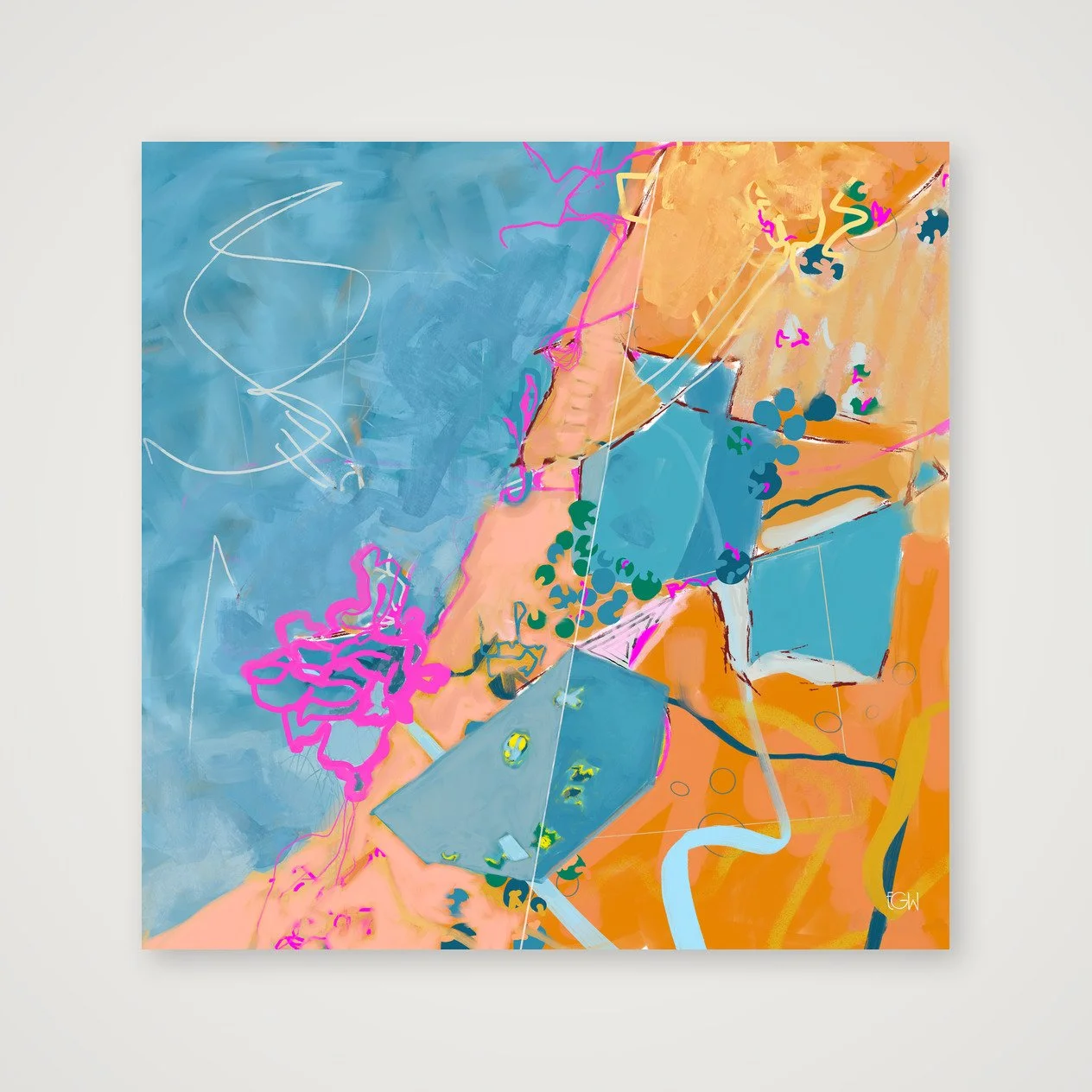
Created from original digital artwork by Emily Whitish.
Open edition
Professionally printed on museum-quality Hahnemühle Photo Rag 308 gsm using archival pigment inks
100% cotton, matte fine-art paper with a softly textured surface
Artwork is printed to the full listed dimensions with no added white border unless otherwise shown
Each print is digitally signed by the artist
Includes a Certificate of Authenticity
Optional frames are made from sustainably sourced solid wood and available in select sizes
Printed to order and shipped directly to you in protective, sustainable packaging
Each artwork is offered only in carefully selected sizes that preserve the original composition. Cropped or alternate aspect-ratio versions are not available.
Frames are available for select sizes only. Unframed prints are offered in both imperial and metric dimensions. If you plan to use custom framing, either format will work. If you’re using a ready-made frame, choose the size that best matches standard frame dimensions where you live.
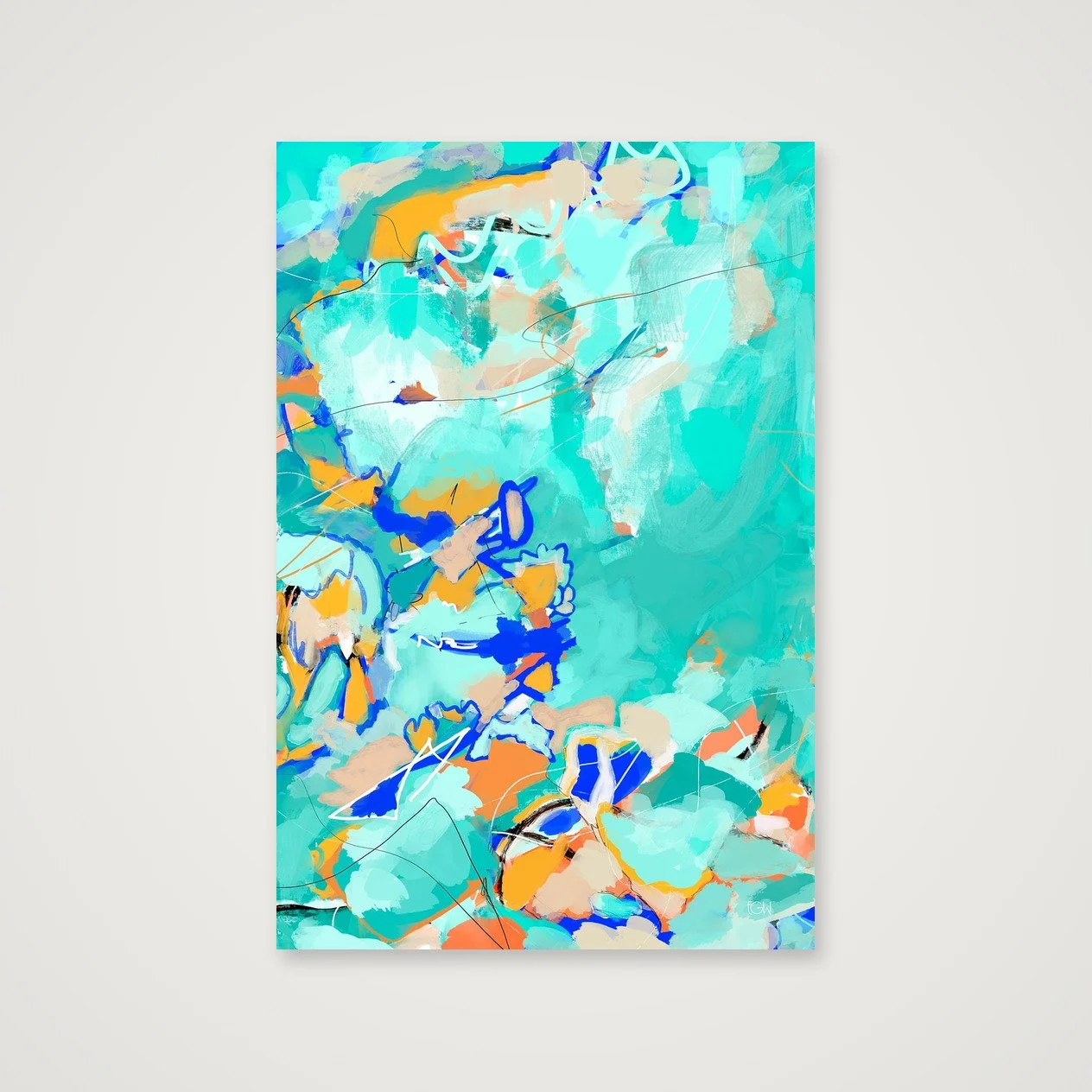
Created from original digital artwork by Emily Whitish.
Open edition
Professionally printed on museum-quality Hahnemühle Photo Rag 308 gsm using archival pigment inks
100% cotton, matte fine-art paper with a softly textured surface
Artwork is printed to the full listed dimensions with no added white border unless otherwise shown
Each print is digitally signed by the artist
Includes a Certificate of Authenticity
Optional frames are made from sustainably sourced solid wood and available in select sizes
Printed to order and shipped directly to you in protective, sustainable packaging
Each artwork is offered only in carefully selected sizes that preserve the original composition. Cropped or alternate aspect-ratio versions are not available.
Frames are available for select sizes only. Unframed prints are offered in both imperial and metric dimensions. If you plan to use custom framing, either format will work. If you’re using a ready-made frame, choose the size that best matches standard frame dimensions where you live.
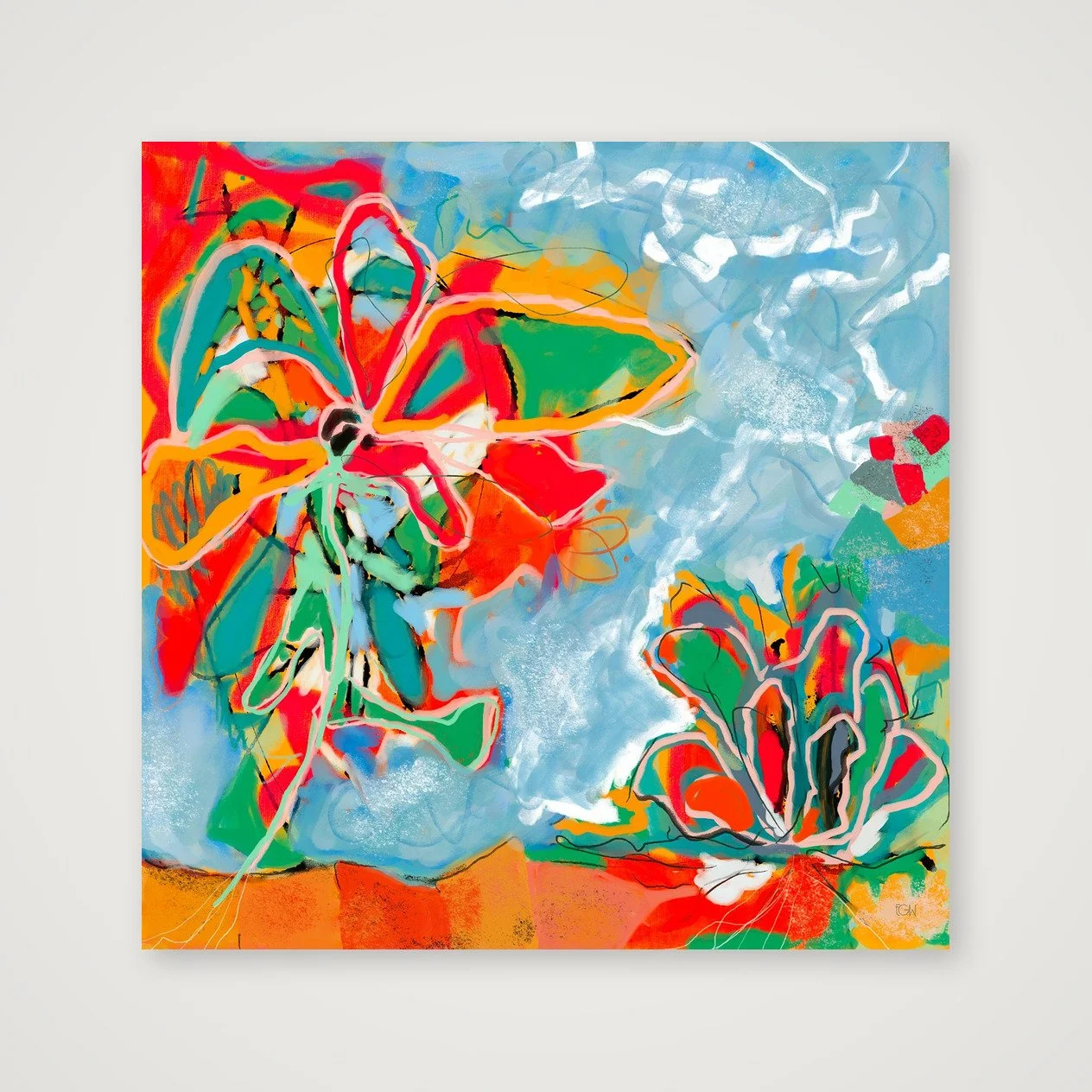
Created from original digital artwork by Emily Whitish.
Open edition
Professionally printed on museum-quality Hahnemühle Photo Rag 308 gsm using archival pigment inks
100% cotton, matte fine-art paper with a softly textured surface
Artwork is printed to the full listed dimensions with no added white border unless otherwise shown
Each print is digitally signed by the artist
Includes a Certificate of Authenticity
Optional frames are made from sustainably sourced solid wood and available in select sizes
Printed to order and shipped directly to you in protective, sustainable packaging
Each artwork is offered only in carefully selected sizes that preserve the original composition. Cropped or alternate aspect-ratio versions are not available.
Frames are available for select sizes only. Unframed prints are offered in both imperial and metric dimensions. If you plan to use custom framing, either format will work. If you’re using a ready-made frame, choose the size that best matches standard frame dimensions where you live.
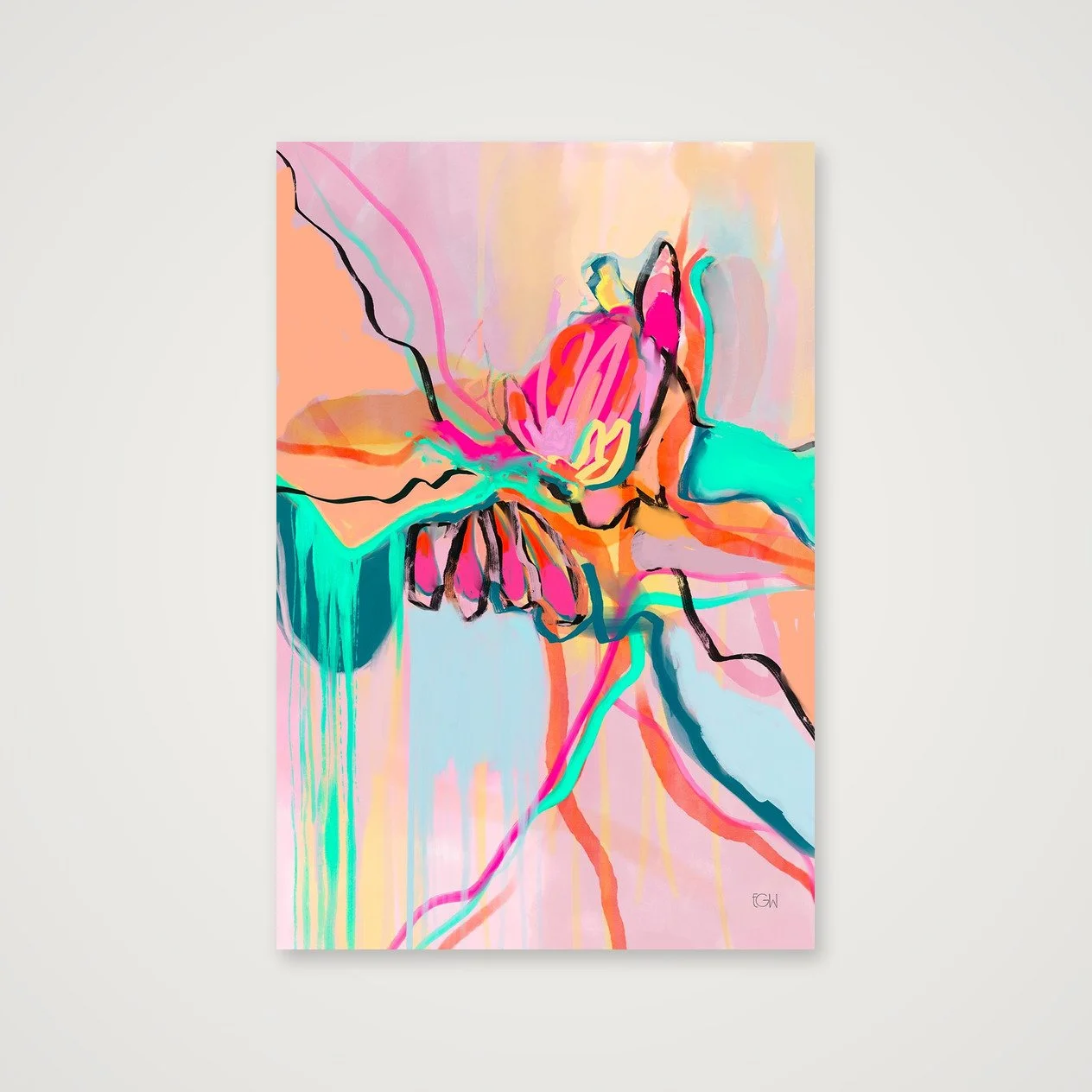
Created from original digital artwork by Emily Whitish.
Open edition
Professionally printed on museum-quality Hahnemühle Photo Rag 308 gsm using archival pigment inks
100% cotton, matte fine-art paper with a softly textured surface
Artwork is printed to the full listed dimensions with no added white border unless otherwise shown
Each print is digitally signed by the artist
Includes a Certificate of Authenticity
Optional frames are made from sustainably sourced solid wood and available in select sizes
Printed to order and shipped directly to you in protective, sustainable packaging
Each artwork is offered only in carefully selected sizes that preserve the original composition. Cropped or alternate aspect-ratio versions are not available.
Frames are available for select sizes only. Unframed prints are offered in both imperial and metric dimensions. If you plan to use custom framing, either format will work. If you’re using a ready-made frame, choose the size that best matches standard frame dimensions where you live.
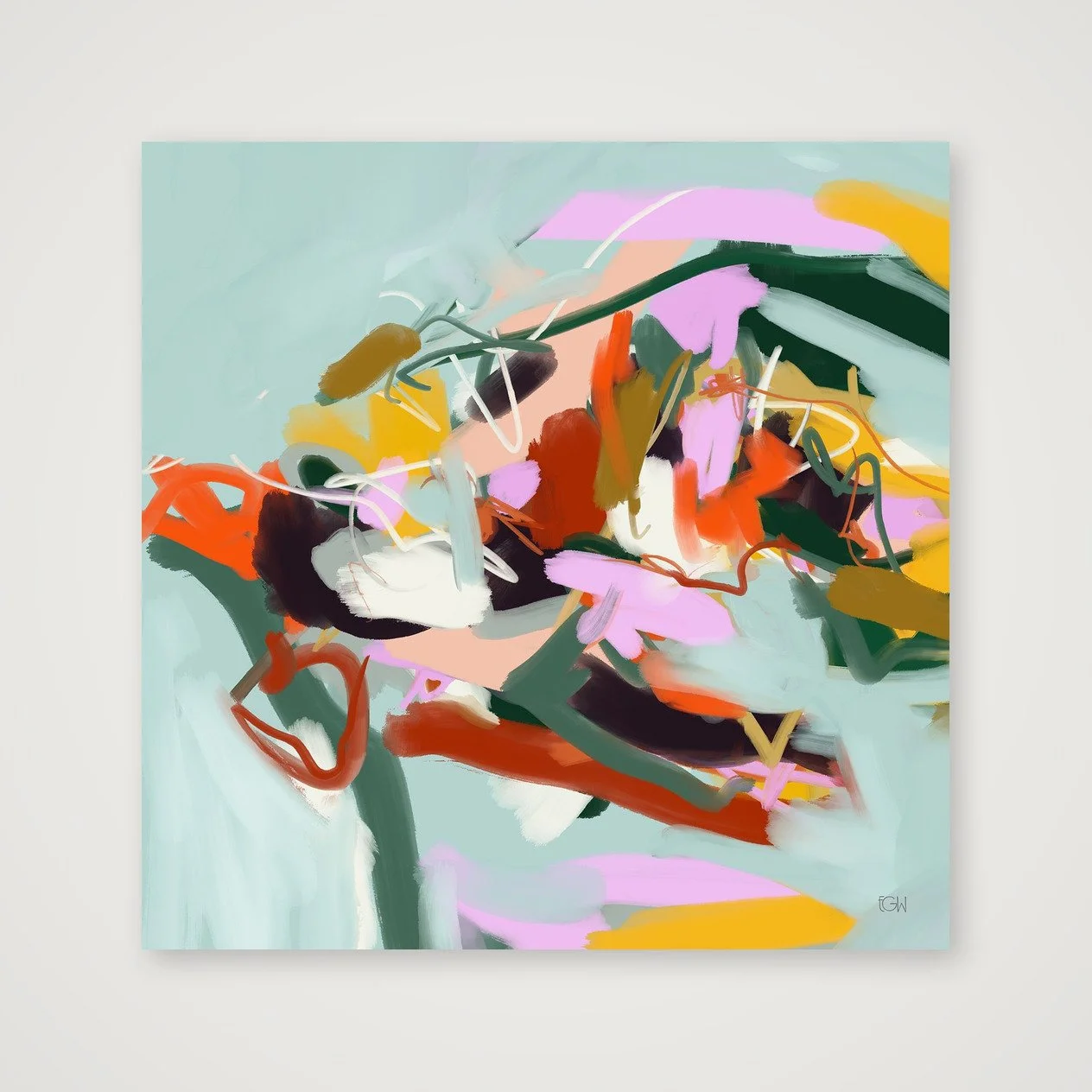
Created from original digital artwork by Emily Whitish.
Open edition
Professionally printed on museum-quality Hahnemühle Photo Rag 308 gsm using archival pigment inks
100% cotton, matte fine-art paper with a softly textured surface
Artwork is printed to the full listed dimensions with no added white border unless otherwise shown
Each print is digitally signed by the artist
Includes a Certificate of Authenticity
Optional frames are made from sustainably sourced solid wood and available in select sizes
Printed to order and shipped directly to you in protective, sustainable packaging
Each artwork is offered only in carefully selected sizes that preserve the original composition. Cropped or alternate aspect-ratio versions are not available.
Frames are available for select sizes only. Unframed prints are offered in both imperial and metric dimensions. If you plan to use custom framing, either format will work. If you’re using a ready-made frame, choose the size that best matches standard frame dimensions where you live.
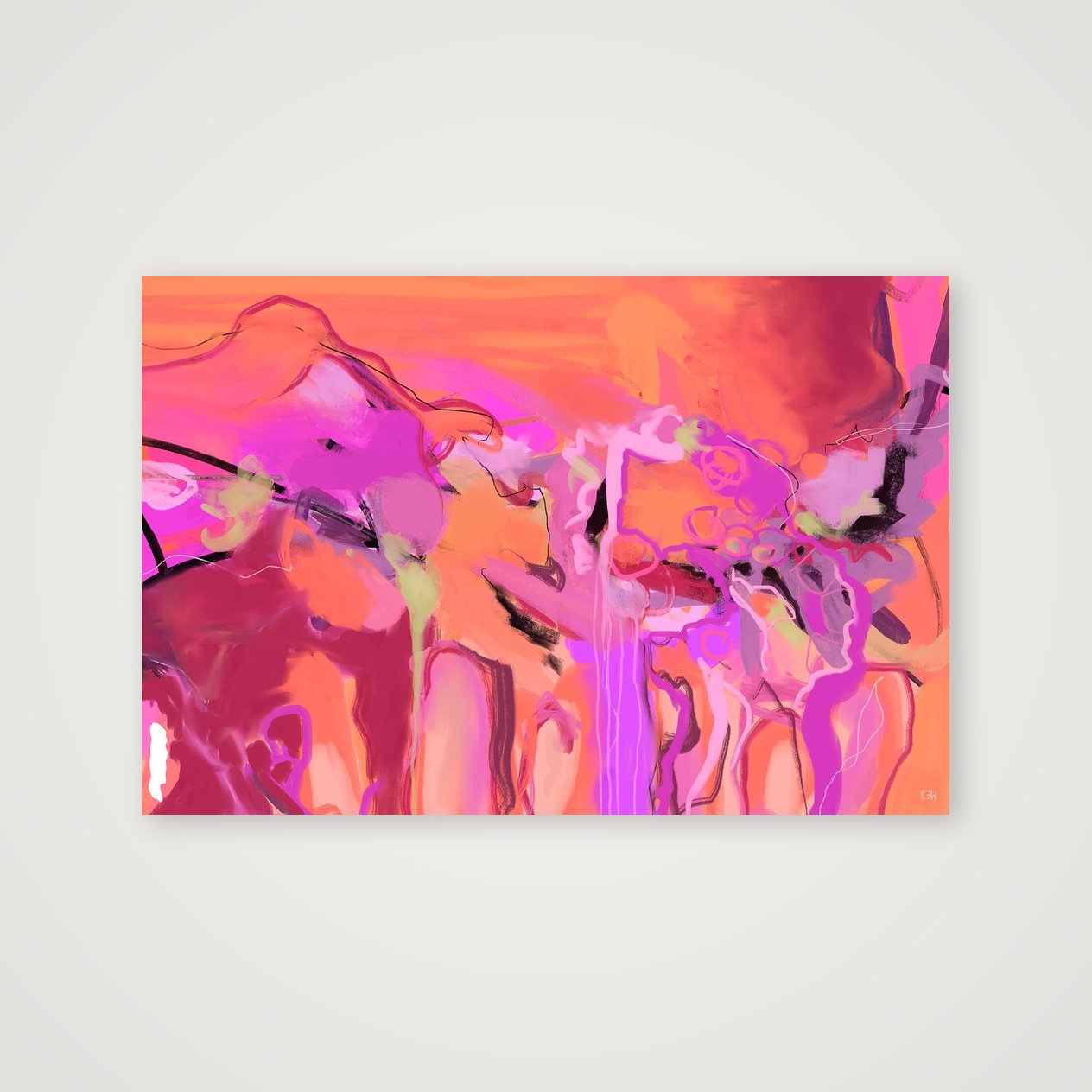
Created from original digital artwork by Emily Whitish.
Open edition
Professionally printed on museum-quality Hahnemühle Photo Rag 308 gsm using archival pigment inks
100% cotton, matte fine-art paper with a softly textured surface
Artwork is printed to the full listed dimensions with no added white border unless otherwise shown
Each print is digitally signed by the artist
Includes a Certificate of Authenticity
Optional frames are made from sustainably sourced solid wood and available in select sizes
Printed to order and shipped directly to you in protective, sustainable packaging
Each artwork is offered only in carefully selected sizes that preserve the original composition. Cropped or alternate aspect-ratio versions are not available.
Frames are available for select sizes only. Unframed prints are offered in both imperial and metric dimensions. If you plan to use custom framing, either format will work. If you’re using a ready-made frame, choose the size that best matches standard frame dimensions where you live.
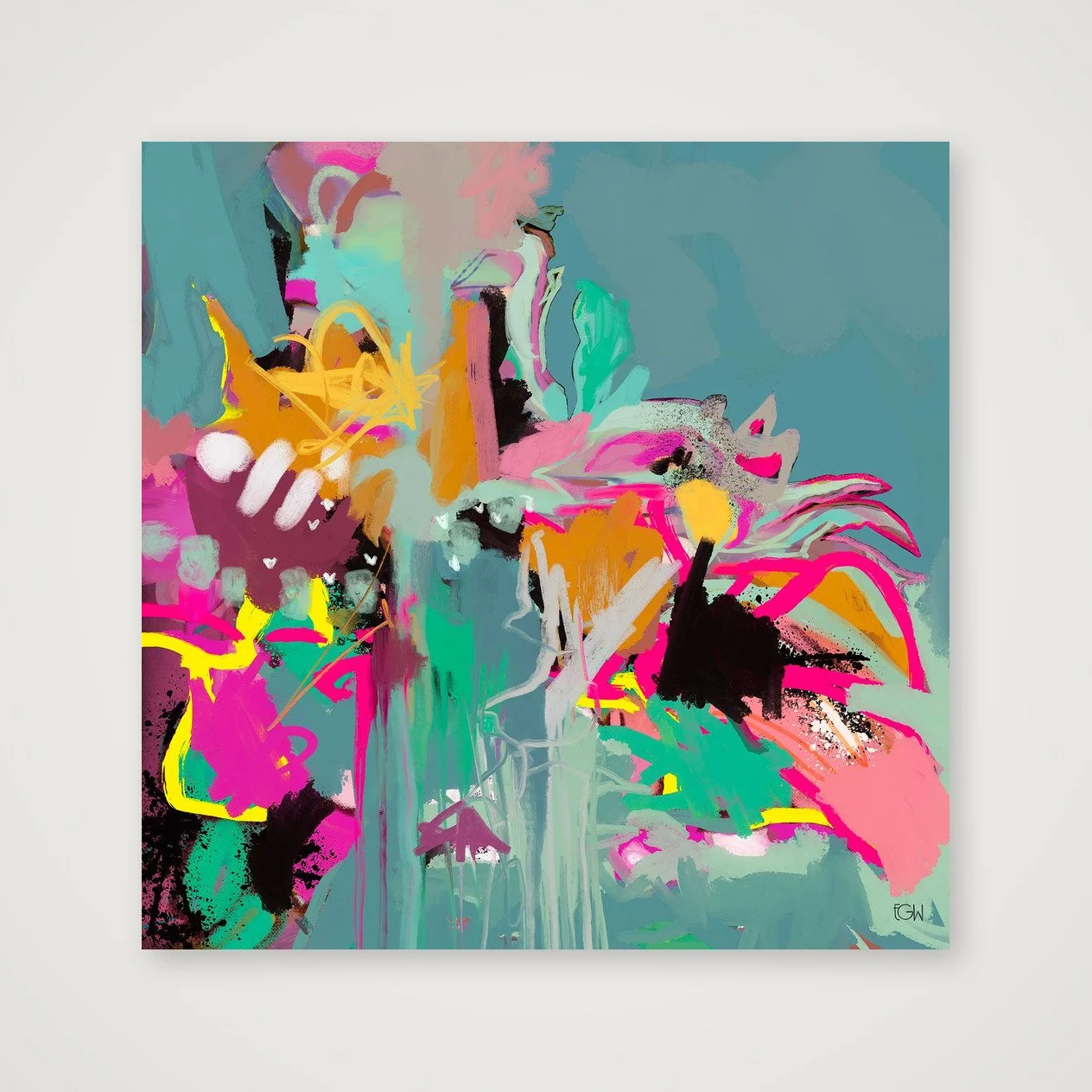
Created from original digital artwork by Emily Whitish.
Open edition
Professionally printed on museum-quality Hahnemühle Photo Rag 308 gsm using archival pigment inks
100% cotton, matte fine-art paper with a softly textured surface
Artwork is printed to the full listed dimensions with no added white border unless otherwise shown
Each print is digitally signed by the artist
Includes a Certificate of Authenticity
Optional frames are made from sustainably sourced solid wood and available in select sizes
Printed to order and shipped directly to you in protective, sustainable packaging
Each artwork is offered only in carefully selected sizes that preserve the original composition. Cropped or alternate aspect-ratio versions are not available.
Frames are available for select sizes only. Unframed prints are offered in both imperial and metric dimensions. If you plan to use custom framing, either format will work. If you’re using a ready-made frame, choose the size that best matches standard frame dimensions where you live.
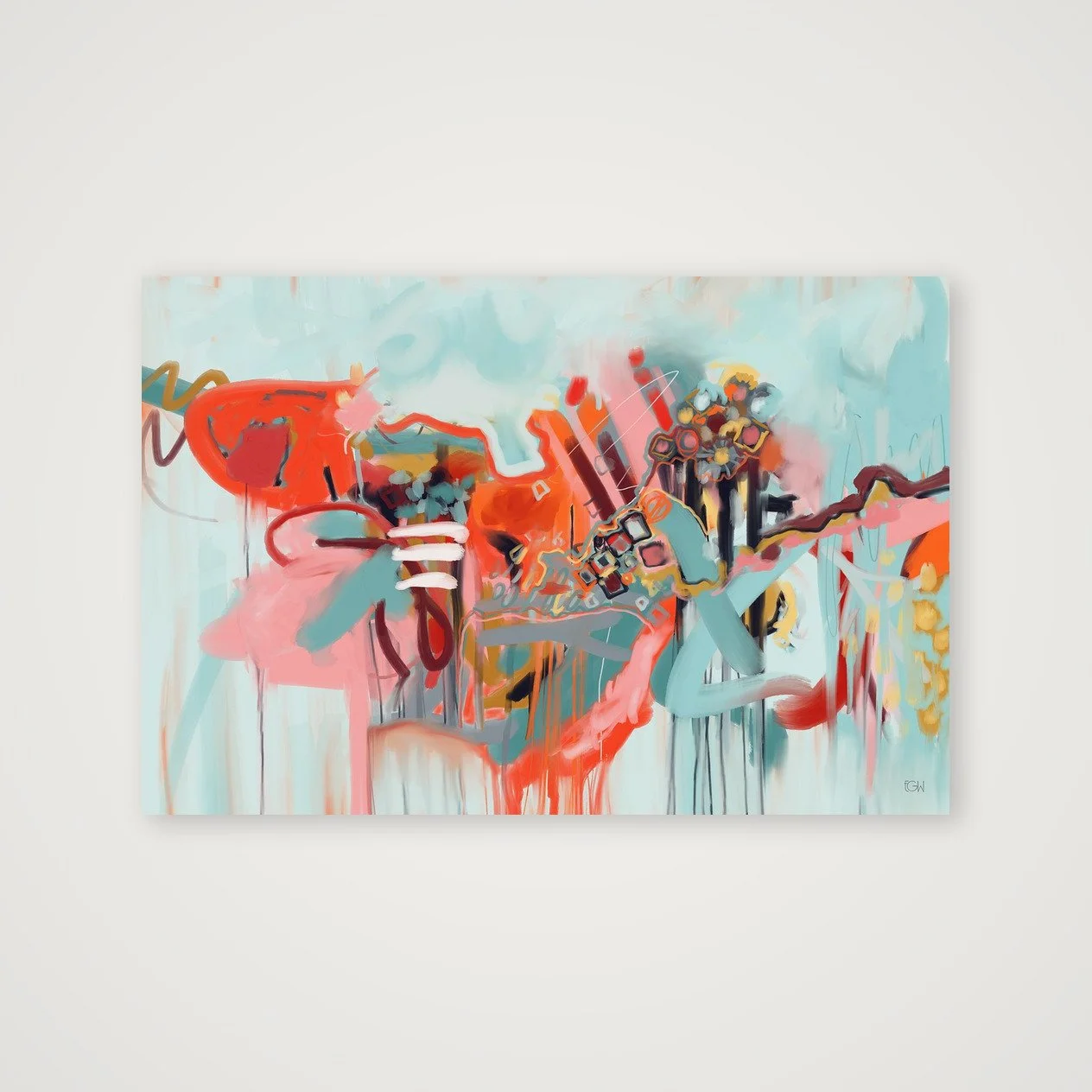
Created from original digital artwork by Emily Whitish.
Open edition
Professionally printed on museum-quality Hahnemühle Photo Rag 308 gsm using archival pigment inks
100% cotton, matte fine-art paper with a softly textured surface
Artwork is printed to the full listed dimensions with no added white border unless otherwise shown
Each print is digitally signed by the artist
Includes a Certificate of Authenticity
Optional frames are made from sustainably sourced solid wood and available in select sizes
Printed to order and shipped directly to you in protective, sustainable packaging
Each artwork is offered only in carefully selected sizes that preserve the original composition. Cropped or alternate aspect-ratio versions are not available.
Frames are available for select sizes only. Unframed prints are offered in both imperial and metric dimensions. If you plan to use custom framing, either format will work. If you’re using a ready-made frame, choose the size that best matches standard frame dimensions where you live.
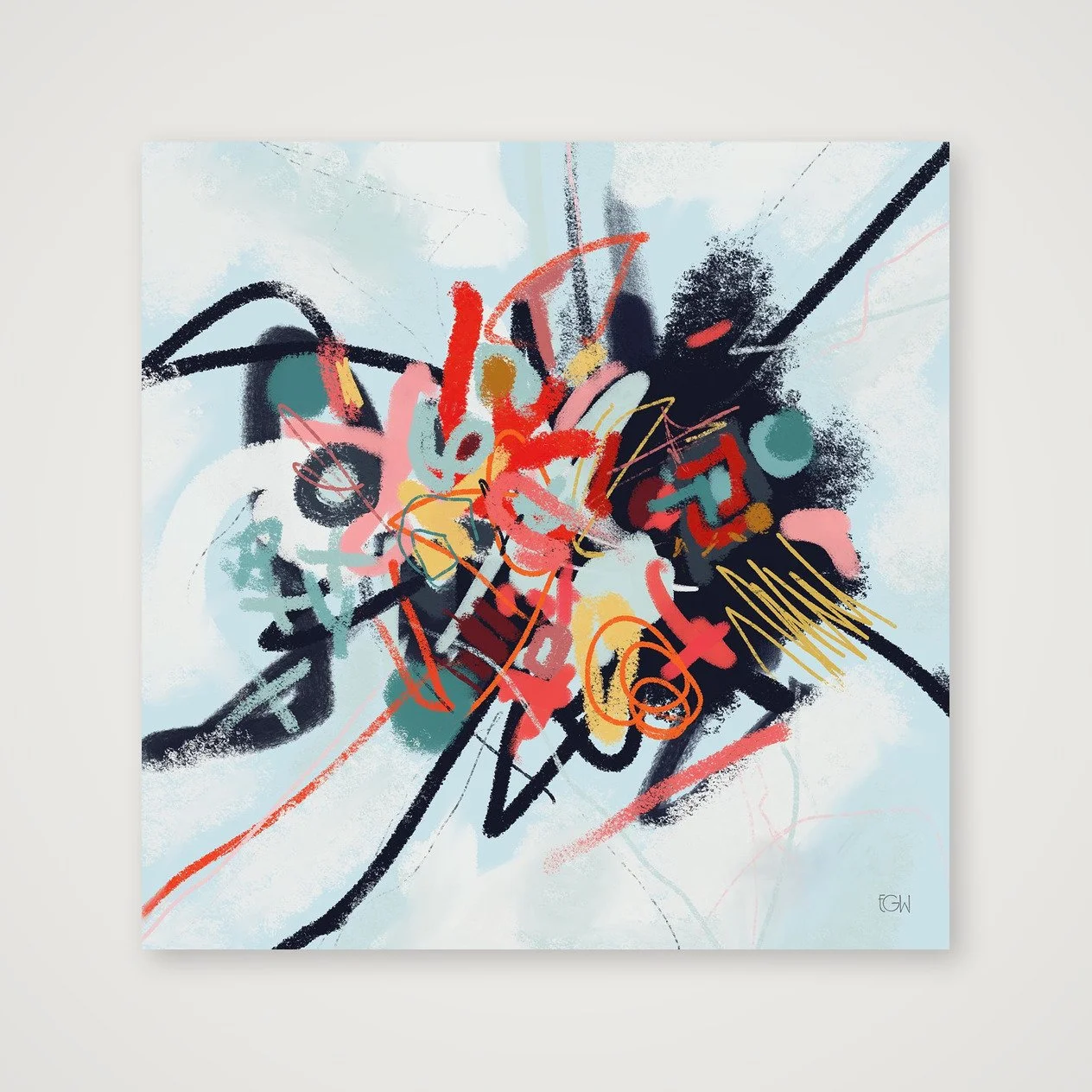
Created from original digital artwork by Emily Whitish.
Open edition
Professionally printed on museum-quality Hahnemühle Photo Rag 308 gsm using archival pigment inks
100% cotton, matte fine-art paper with a softly textured surface
Artwork is printed to the full listed dimensions with no added white border unless otherwise shown
Each print is digitally signed by the artist
Includes a Certificate of Authenticity
Optional frames are made from sustainably sourced solid wood and available in select sizes
Printed to order and shipped directly to you in protective, sustainable packaging
Each artwork is offered only in carefully selected sizes that preserve the original composition. Cropped or alternate aspect-ratio versions are not available.
Frames are available for select sizes only. Unframed prints are offered in both imperial and metric dimensions. If you plan to use custom framing, either format will work. If you’re using a ready-made frame, choose the size that best matches standard frame dimensions where you live.
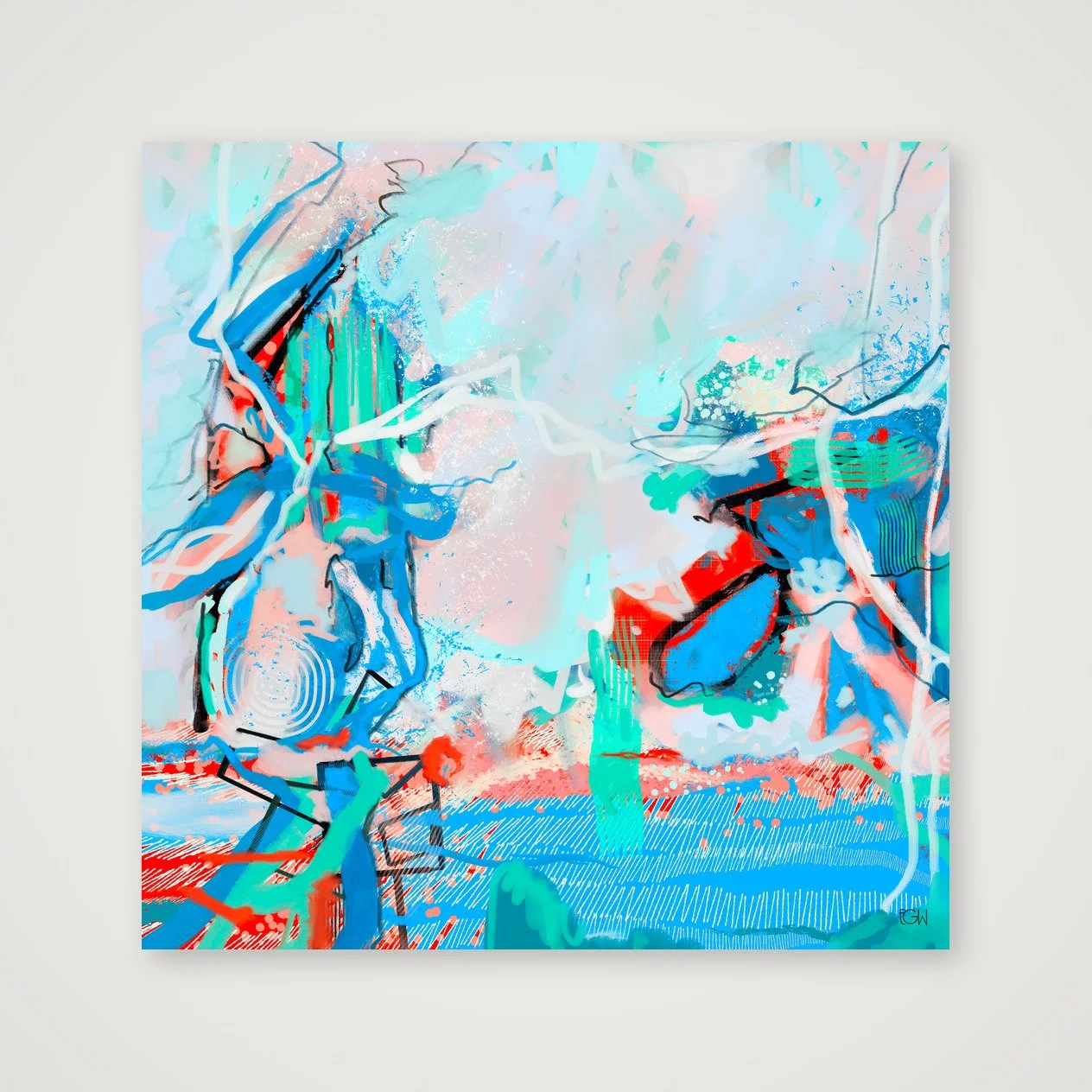
Created from original digital artwork by Emily Whitish.
Open edition
Professionally printed on museum-quality Hahnemühle Photo Rag 308 gsm using archival pigment inks
100% cotton, matte fine-art paper with a softly textured surface
Artwork is printed to the full listed dimensions with no added white border unless otherwise shown
Each print is digitally signed by the artist
Includes a Certificate of Authenticity
Optional frames are made from sustainably sourced solid wood and available in select sizes
Printed to order and shipped directly to you in protective, sustainable packaging
Each artwork is offered only in carefully selected sizes that preserve the original composition. Cropped or alternate aspect-ratio versions are not available.
Frames are available for select sizes only. Unframed prints are offered in both imperial and metric dimensions. If you plan to use custom framing, either format will work. If you’re using a ready-made frame, choose the size that best matches standard frame dimensions where you live.
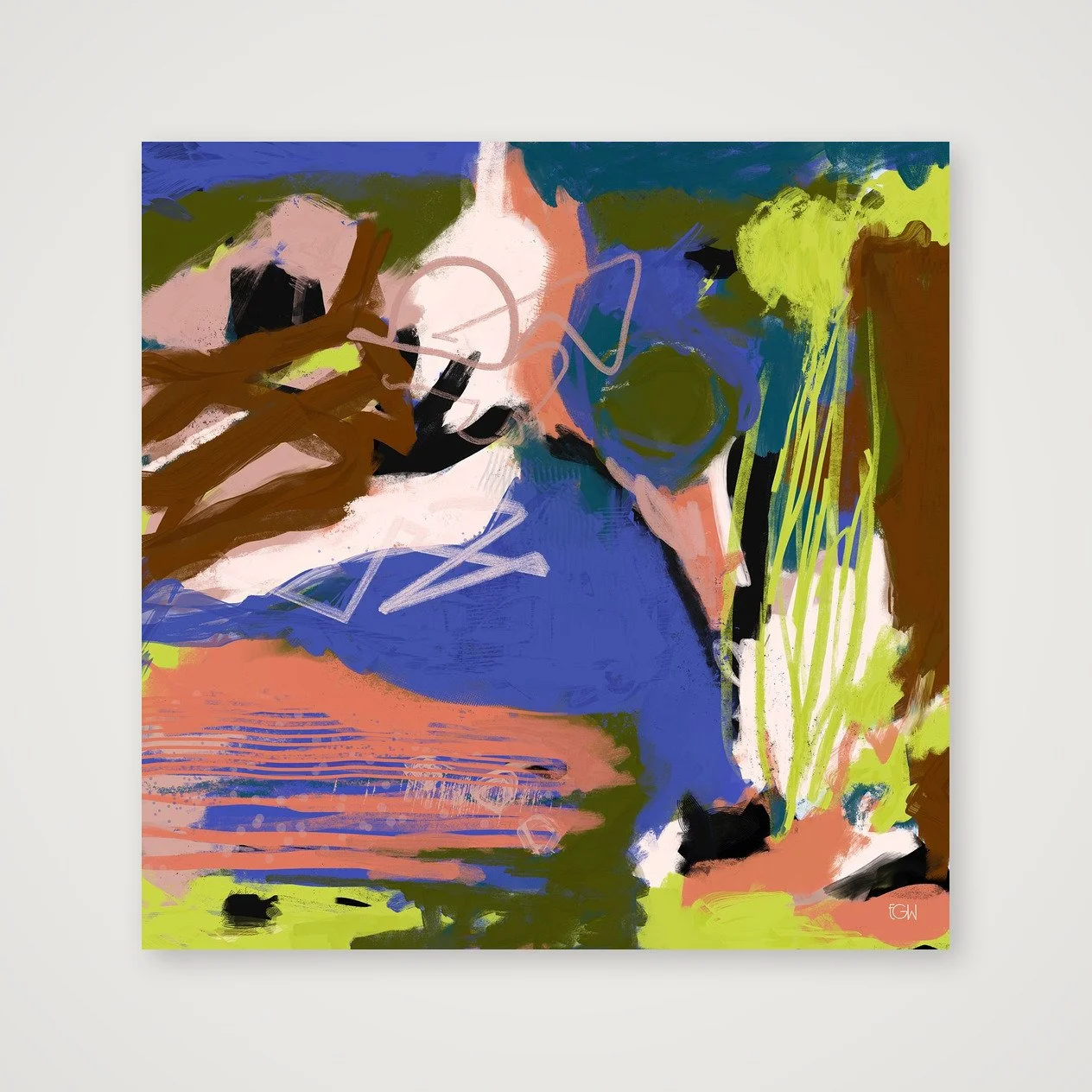
Created from original digital artwork by Emily Whitish.
Open edition
Professionally printed on museum-quality Hahnemühle Photo Rag 308 gsm using archival pigment inks
100% cotton, matte fine-art paper with a softly textured surface
Artwork is printed to the full listed dimensions with no added white border unless otherwise shown
Each print is digitally signed by the artist
Includes a Certificate of Authenticity
Optional frames are made from sustainably sourced solid wood and available in select sizes
Printed to order and shipped directly to you in protective, sustainable packaging
Each artwork is offered only in carefully selected sizes that preserve the original composition. Cropped or alternate aspect-ratio versions are not available.
Frames are available for select sizes only. Unframed prints are offered in both imperial and metric dimensions. If you plan to use custom framing, either format will work. If you’re using a ready-made frame, choose the size that best matches standard frame dimensions where you live.
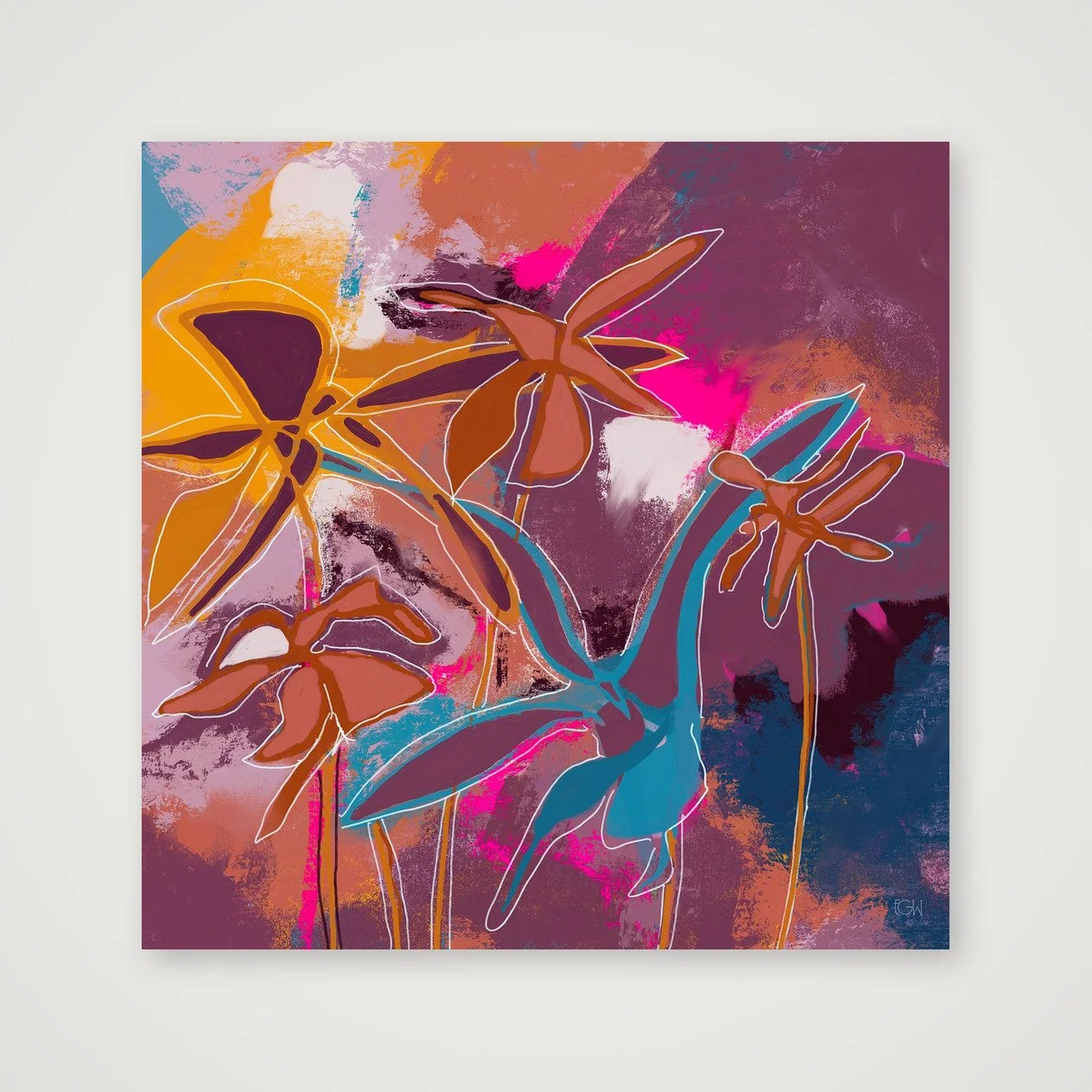
Created from original digital artwork by Emily Whitish.
Open edition
Professionally printed on museum-quality Hahnemühle Photo Rag 308 gsm using archival pigment inks
100% cotton, matte fine-art paper with a softly textured surface
Artwork is printed to the full listed dimensions with no added white border unless otherwise shown
Each print is digitally signed by the artist
Includes a Certificate of Authenticity
Optional frames are made from sustainably sourced solid wood and available in select sizes
Printed to order and shipped directly to you in protective, sustainable packaging
Each artwork is offered only in carefully selected sizes that preserve the original composition. Cropped or alternate aspect-ratio versions are not available.
Frames are available for select sizes only. Unframed prints are offered in both imperial and metric dimensions. If you plan to use custom framing, either format will work. If you’re using a ready-made frame, choose the size that best matches standard frame dimensions where you live.
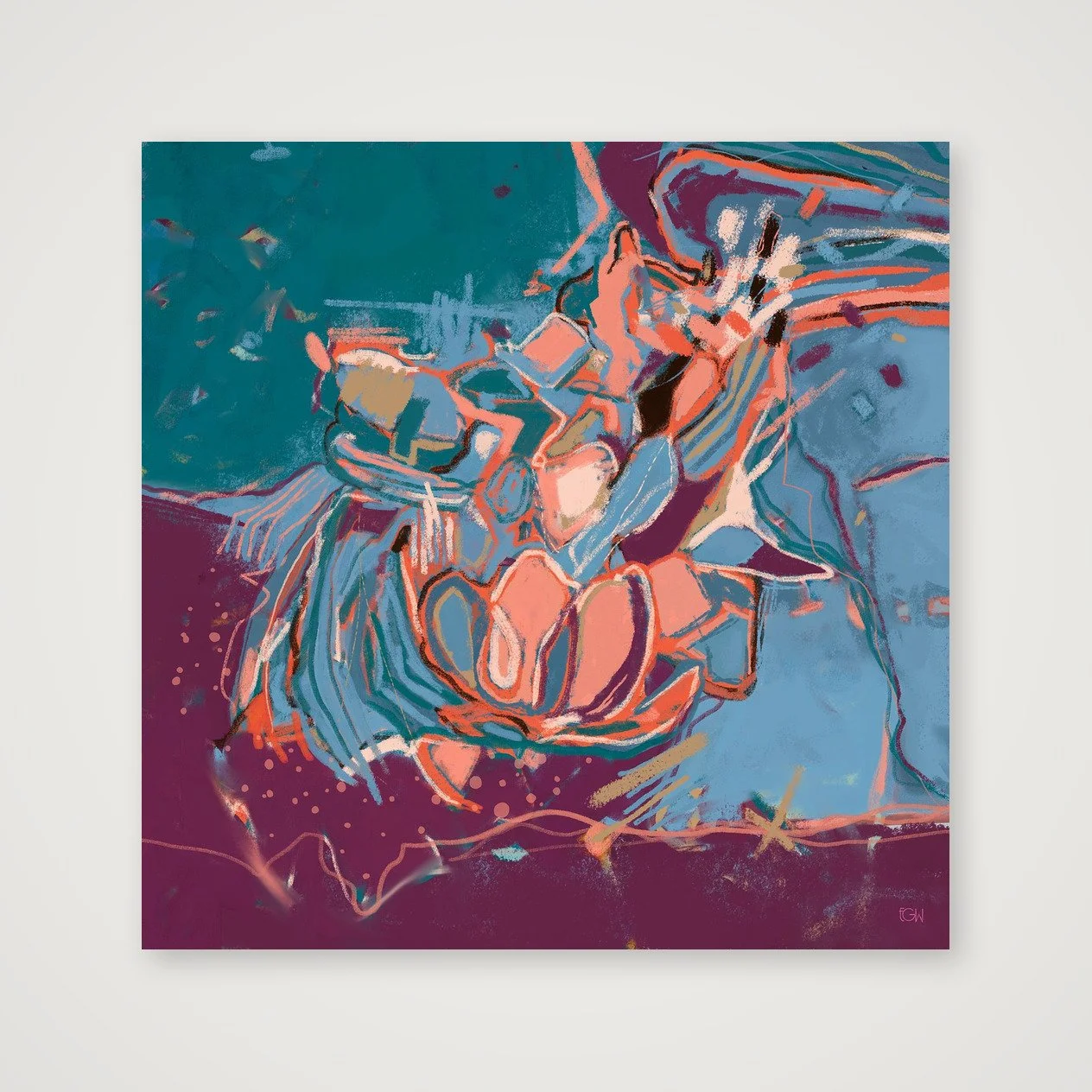
Created from original digital artwork by Emily Whitish.
Open edition
Professionally printed on museum-quality Hahnemühle Photo Rag 308 gsm using archival pigment inks
100% cotton, matte fine-art paper with a softly textured surface
Artwork is printed to the full listed dimensions with no added white border unless otherwise shown
Each print is digitally signed by the artist
Includes a Certificate of Authenticity
Optional frames are made from sustainably sourced solid wood and available in select sizes
Printed to order and shipped directly to you in protective, sustainable packaging
Each artwork is offered only in carefully selected sizes that preserve the original composition. Cropped or alternate aspect-ratio versions are not available.
Frames are available for select sizes only. Unframed prints are offered in both imperial and metric dimensions. If you plan to use custom framing, either format will work. If you’re using a ready-made frame, choose the size that best matches standard frame dimensions where you live.
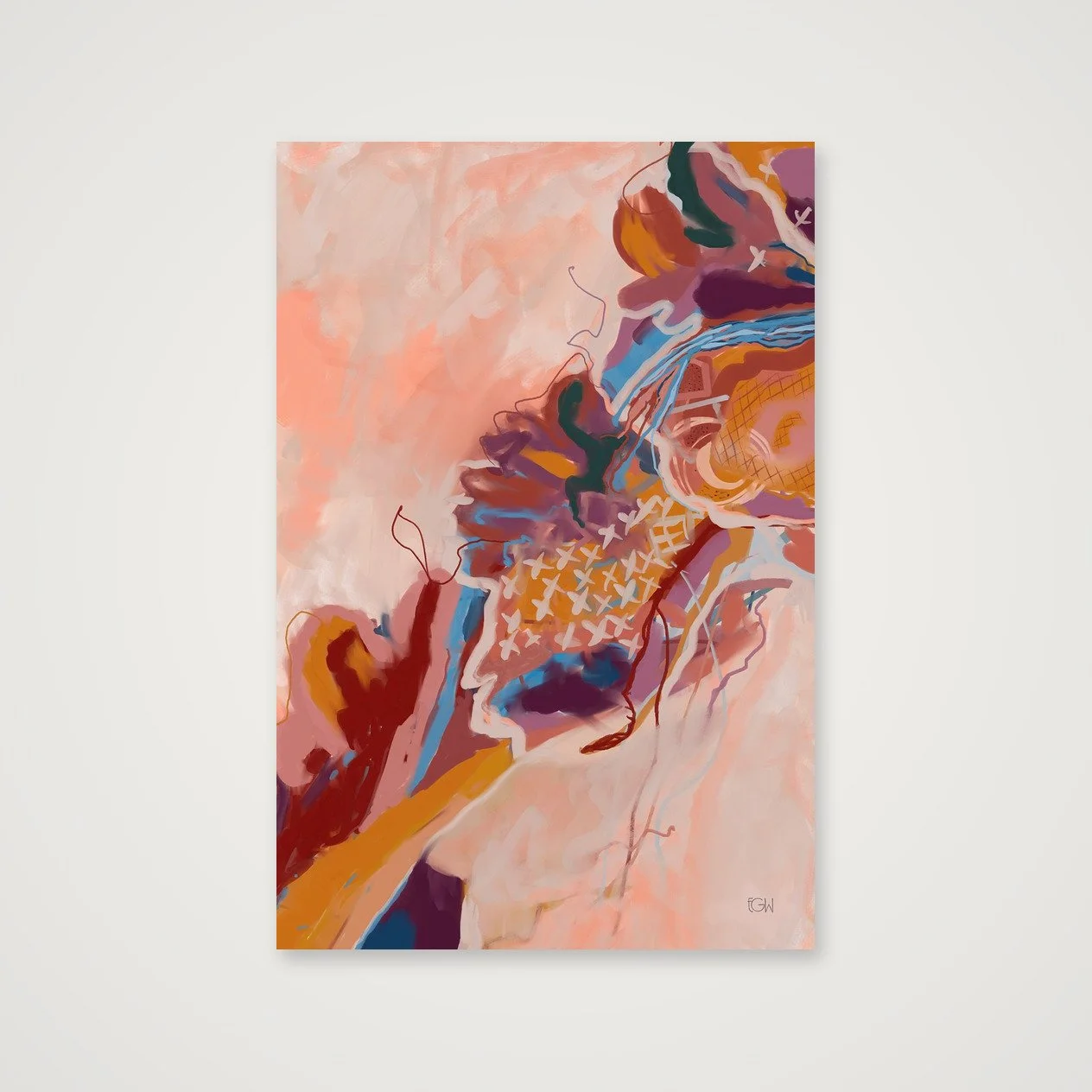
Created from original digital artwork by Emily Whitish.
Open edition
Professionally printed on museum-quality Hahnemühle Photo Rag 308 gsm using archival pigment inks
100% cotton, matte fine-art paper with a softly textured surface
Artwork is printed to the full listed dimensions with no added white border unless otherwise shown
Each print is digitally signed by the artist
Includes a Certificate of Authenticity
Optional frames are made from sustainably sourced solid wood and available in select sizes
Printed to order and shipped directly to you in protective, sustainable packaging
Each artwork is offered only in carefully selected sizes that preserve the original composition. Cropped or alternate aspect-ratio versions are not available.
Frames are available for select sizes only. Unframed prints are offered in both imperial and metric dimensions. If you plan to use custom framing, either format will work. If you’re using a ready-made frame, choose the size that best matches standard frame dimensions where you live.
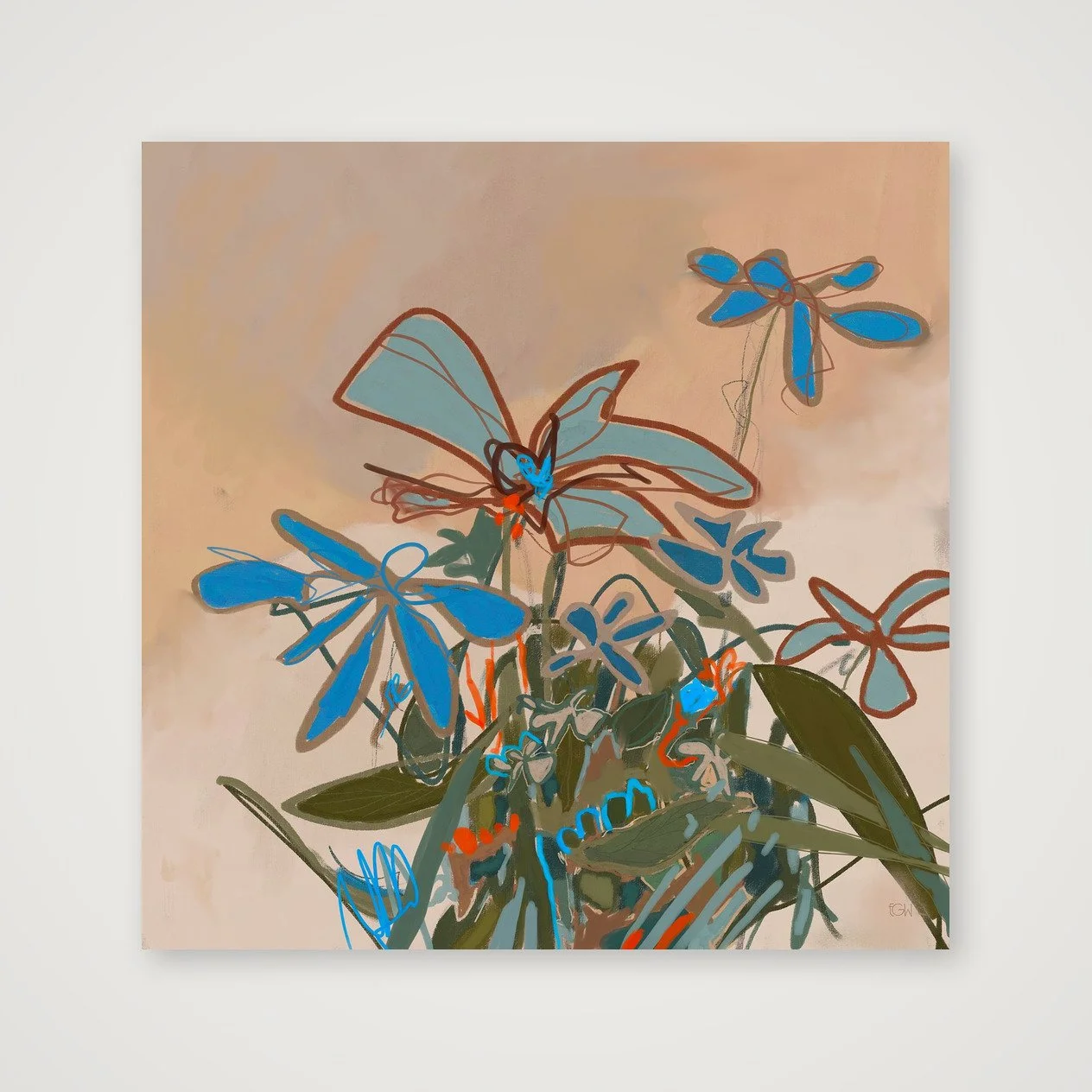
Created from original digital artwork by Emily Whitish.
Open edition
Professionally printed on museum-quality Hahnemühle Photo Rag 308 gsm using archival pigment inks
100% cotton, matte fine-art paper with a softly textured surface
Artwork is printed to the full listed dimensions with no added white border unless otherwise shown
Each print is digitally signed by the artist
Includes a Certificate of Authenticity
Optional frames are made from sustainably sourced solid wood and available in select sizes
Printed to order and shipped directly to you in protective, sustainable packaging
Each artwork is offered only in carefully selected sizes that preserve the original composition. Cropped or alternate aspect-ratio versions are not available.
Frames are available for select sizes only. Unframed prints are offered in both imperial and metric dimensions. If you plan to use custom framing, either format will work. If you’re using a ready-made frame, choose the size that best matches standard frame dimensions where you live.
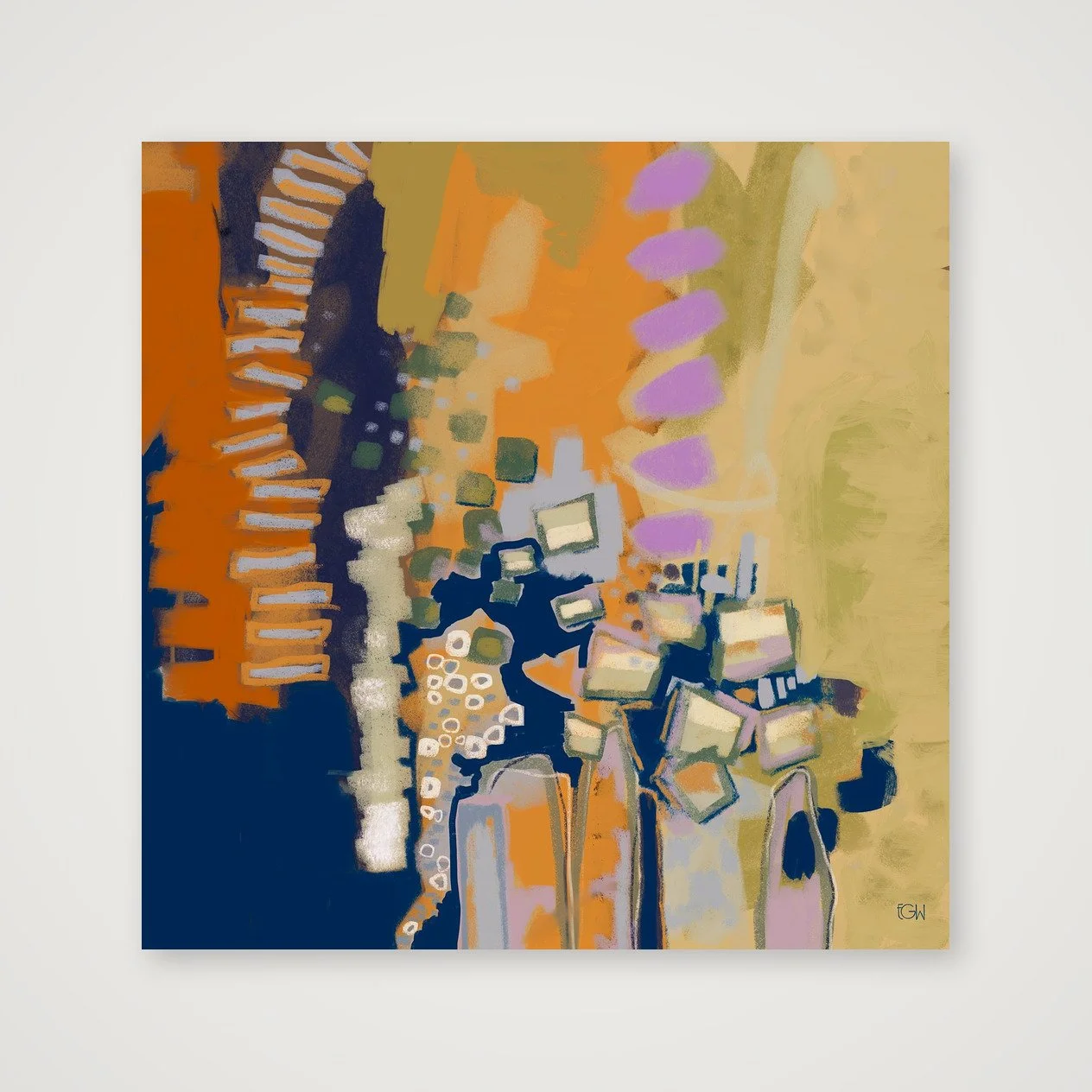
Created from original digital artwork by Emily Whitish.
Open edition
Professionally printed on museum-quality Hahnemühle Photo Rag 308 gsm using archival pigment inks
100% cotton, matte fine-art paper with a softly textured surface
Artwork is printed to the full listed dimensions with no added white border unless otherwise shown
Each print is digitally signed by the artist
Includes a Certificate of Authenticity
Optional frames are made from sustainably sourced solid wood and available in select sizes
Printed to order and shipped directly to you in protective, sustainable packaging
Each artwork is offered only in carefully selected sizes that preserve the original composition. Cropped or alternate aspect-ratio versions are not available.
Frames are available for select sizes only. Unframed prints are offered in both imperial and metric dimensions. If you plan to use custom framing, either format will work. If you’re using a ready-made frame, choose the size that best matches standard frame dimensions where you live.
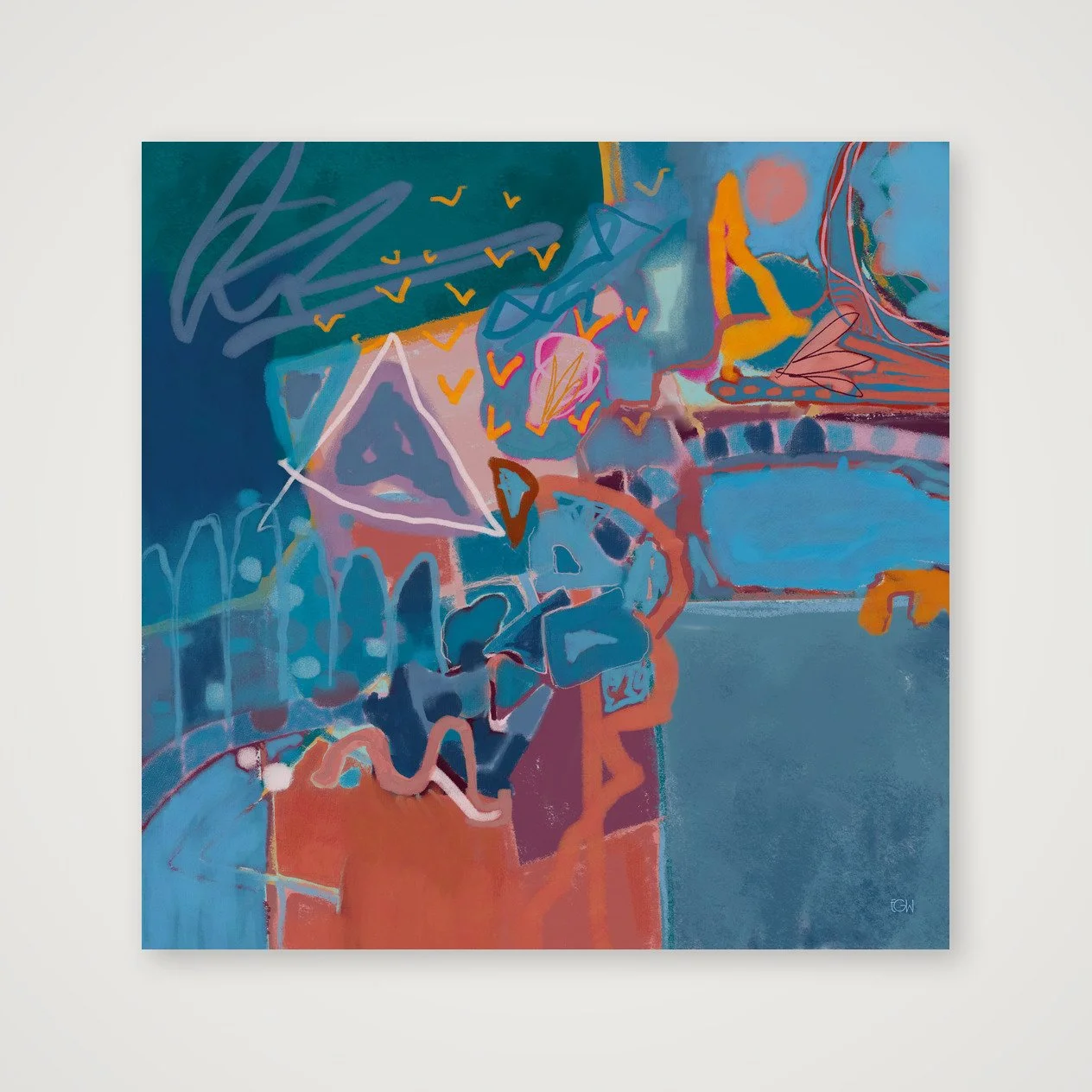
Created from original digital artwork by Emily Whitish.
Open edition
Professionally printed on museum-quality Hahnemühle Photo Rag 308 gsm using archival pigment inks
100% cotton, matte fine-art paper with a softly textured surface
Artwork is printed to the full listed dimensions with no added white border unless otherwise shown
Each print is digitally signed by the artist
Includes a Certificate of Authenticity
Optional frames are made from sustainably sourced solid wood and available in select sizes
Printed to order and shipped directly to you in protective, sustainable packaging
Each artwork is offered only in carefully selected sizes that preserve the original composition. Cropped or alternate aspect-ratio versions are not available.
Frames are available for select sizes only. Unframed prints are offered in both imperial and metric dimensions. If you plan to use custom framing, either format will work. If you’re using a ready-made frame, choose the size that best matches standard frame dimensions where you live.
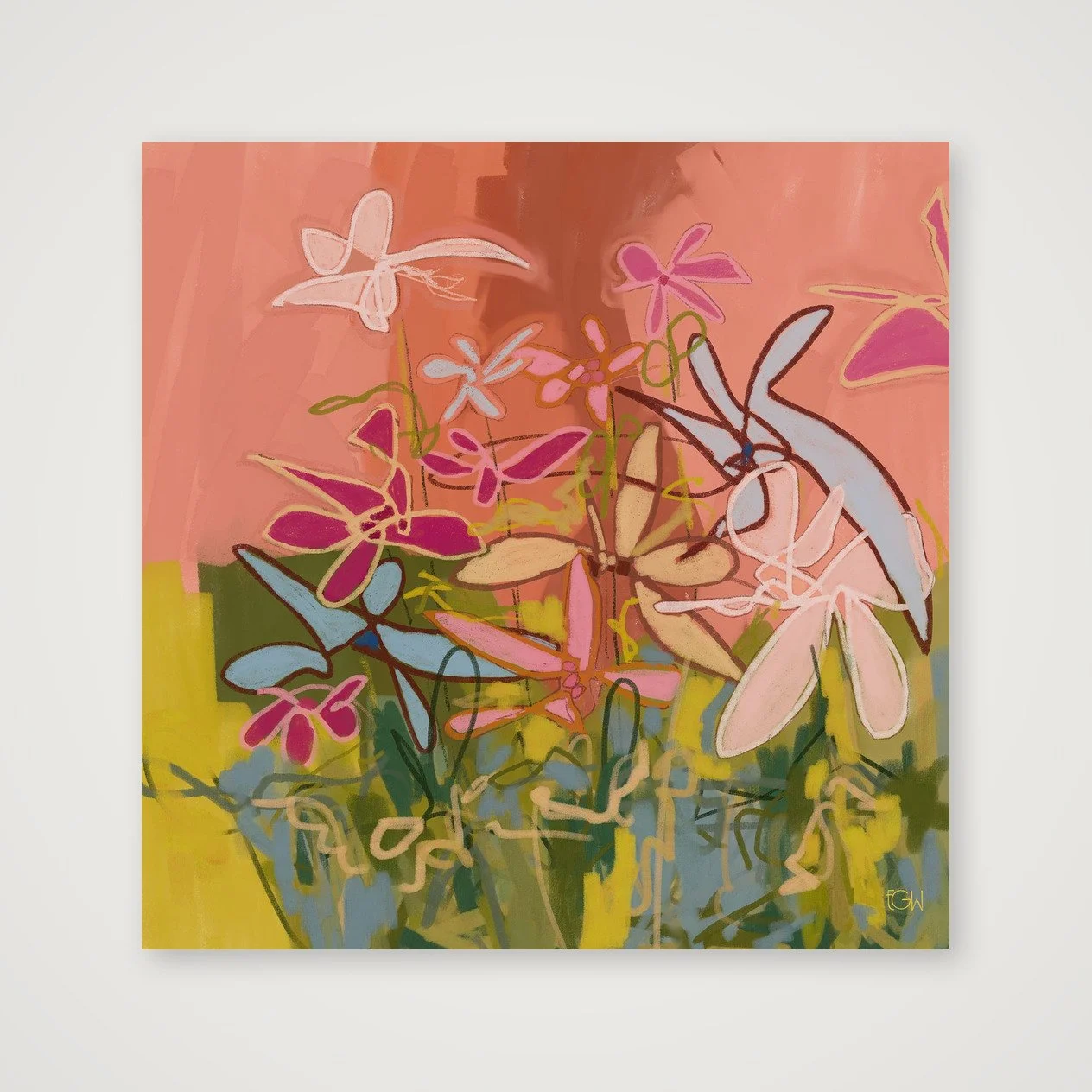
Created from original digital artwork by Emily Whitish.
Open edition
Professionally printed on museum-quality Hahnemühle Photo Rag 308 gsm using archival pigment inks
100% cotton, matte fine-art paper with a softly textured surface
Artwork is printed to the full listed dimensions with no added white border unless otherwise shown
Each print is digitally signed by the artist
Includes a Certificate of Authenticity
Optional frames are made from sustainably sourced solid wood and available in select sizes
Printed to order and shipped directly to you in protective, sustainable packaging
Each artwork is offered only in carefully selected sizes that preserve the original composition. Cropped or alternate aspect-ratio versions are not available.
Frames are available for select sizes only. Unframed prints are offered in both imperial and metric dimensions. If you plan to use custom framing, either format will work. If you’re using a ready-made frame, choose the size that best matches standard frame dimensions where you live.
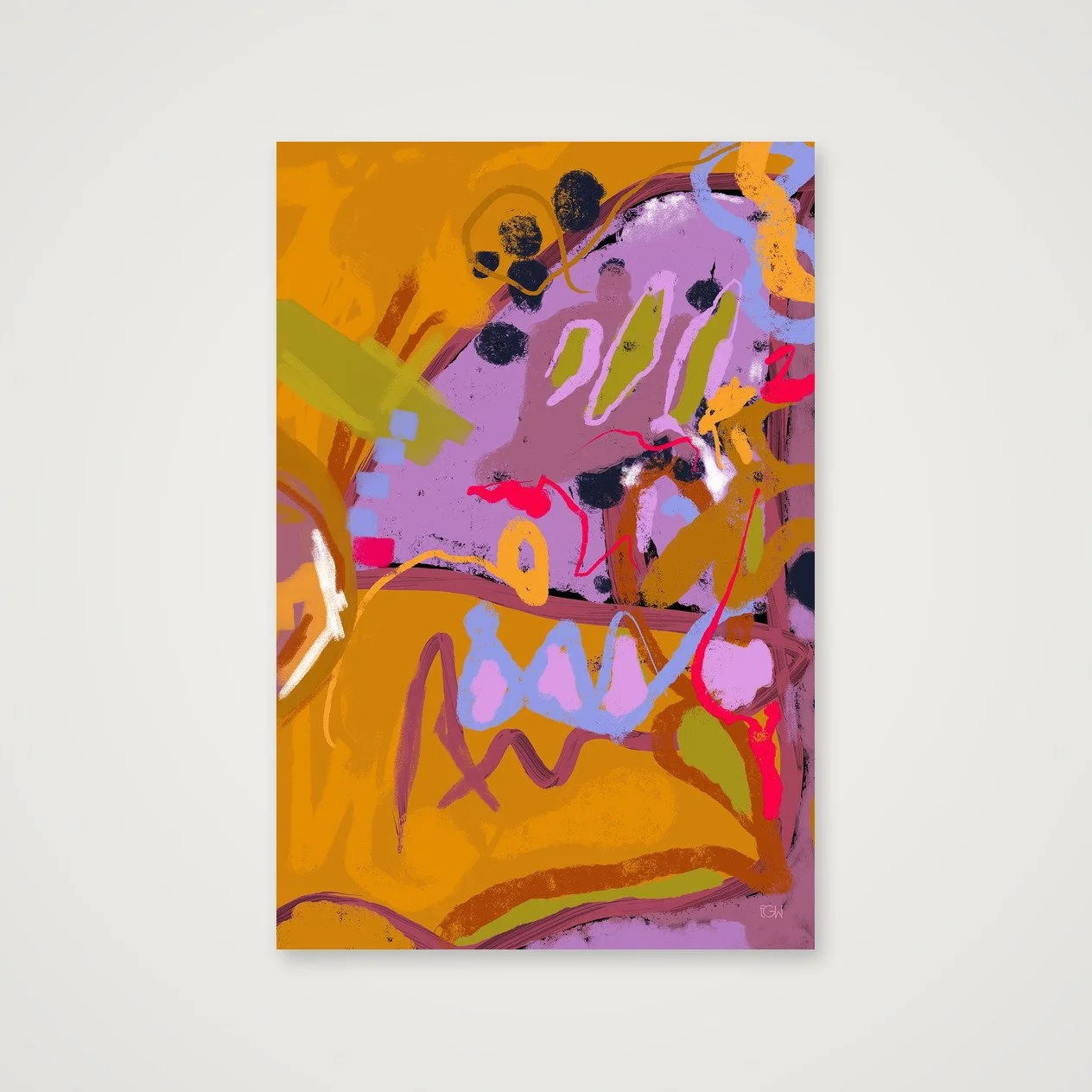
Created from original digital artwork by Emily Whitish.
Open edition
Professionally printed on museum-quality Hahnemühle Photo Rag 308 gsm using archival pigment inks
100% cotton, matte fine-art paper with a softly textured surface
Artwork is printed to the full listed dimensions with no added white border unless otherwise shown
Each print is digitally signed by the artist
Includes a Certificate of Authenticity
Optional frames are made from sustainably sourced solid wood and available in select sizes
Printed to order and shipped directly to you in protective, sustainable packaging
Each artwork is offered only in carefully selected sizes that preserve the original composition. Cropped or alternate aspect-ratio versions are not available.
Frames are available for select sizes only. Unframed prints are offered in both imperial and metric dimensions. If you plan to use custom framing, either format will work. If you’re using a ready-made frame, choose the size that best matches standard frame dimensions where you live.
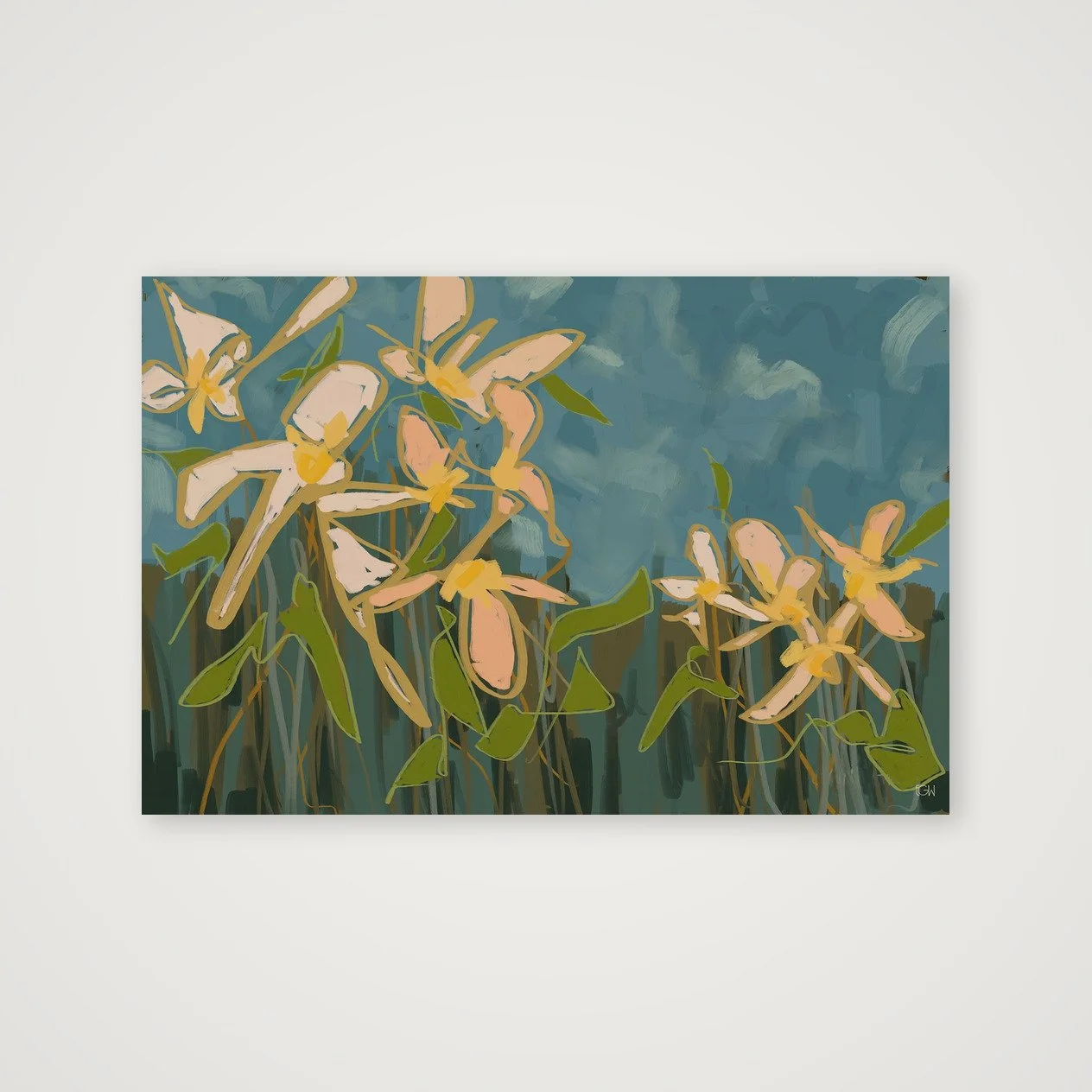
Created from original digital artwork by Emily Whitish.
Open edition
Professionally printed on museum-quality Hahnemühle Photo Rag 308 gsm using archival pigment inks
100% cotton, matte fine-art paper with a softly textured surface
Artwork is printed to the full listed dimensions with no added white border unless otherwise shown
Each print is digitally signed by the artist
Includes a Certificate of Authenticity
Optional frames are made from sustainably sourced solid wood and available in select sizes
Printed to order and shipped directly to you in protective, sustainable packaging
Each artwork is offered only in carefully selected sizes that preserve the original composition. Cropped or alternate aspect-ratio versions are not available.
Frames are available for select sizes only. Unframed prints are offered in both imperial and metric dimensions. If you plan to use custom framing, either format will work. If you’re using a ready-made frame, choose the size that best matches standard frame dimensions where you live.
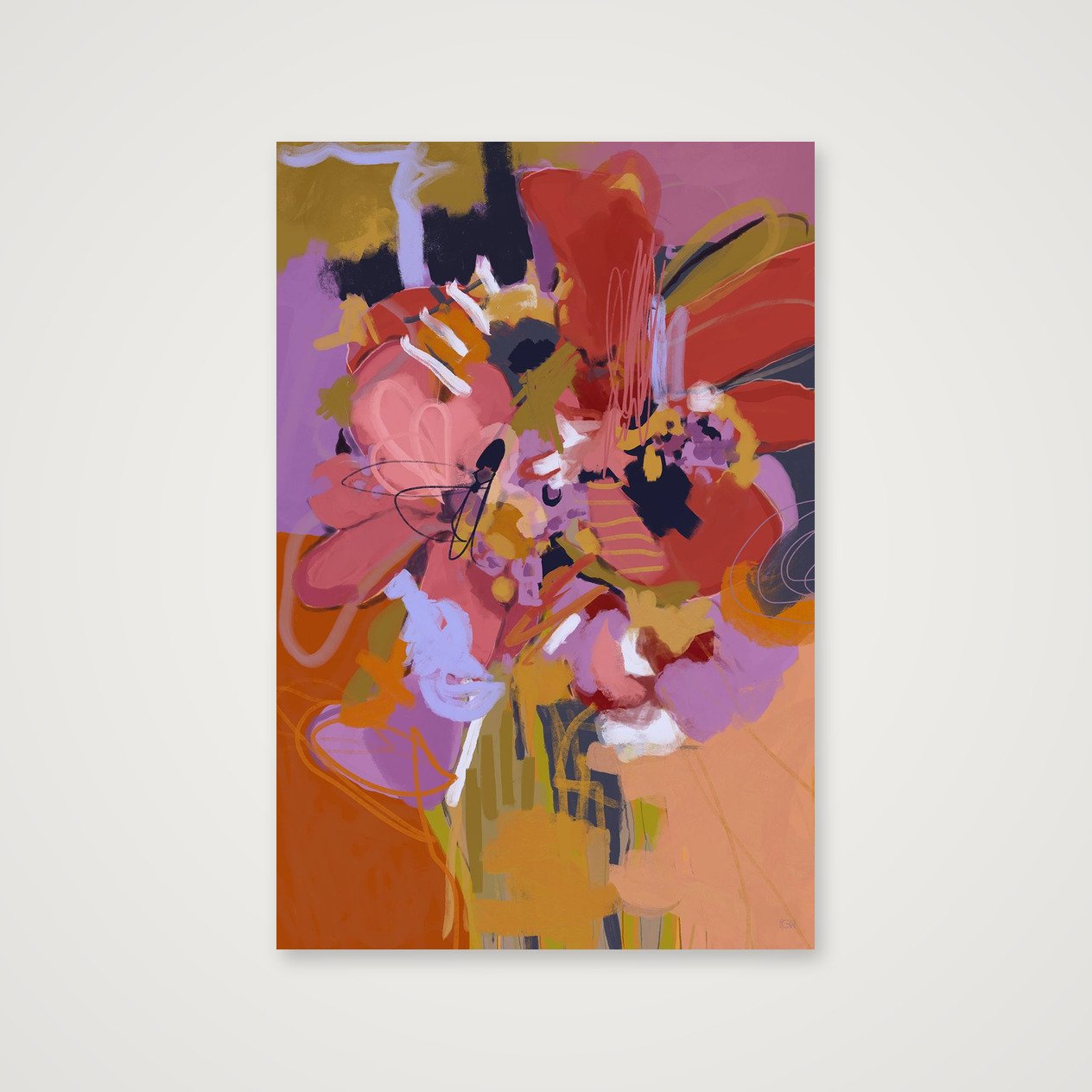
Created from original digital artwork by Emily Whitish.
Open edition
Professionally printed on museum-quality Hahnemühle Photo Rag 308 gsm using archival pigment inks
100% cotton, matte fine-art paper with a softly textured surface
Artwork is printed to the full listed dimensions with no added white border unless otherwise shown
Each print is digitally signed by the artist
Includes a Certificate of Authenticity
Optional frames are made from sustainably sourced solid wood and available in select sizes
Printed to order and shipped directly to you in protective, sustainable packaging
Each artwork is offered only in carefully selected sizes that preserve the original composition. Cropped or alternate aspect-ratio versions are not available.
Frames are available for select sizes only. Unframed prints are offered in both imperial and metric dimensions. If you plan to use custom framing, either format will work. If you’re using a ready-made frame, choose the size that best matches standard frame dimensions where you live.
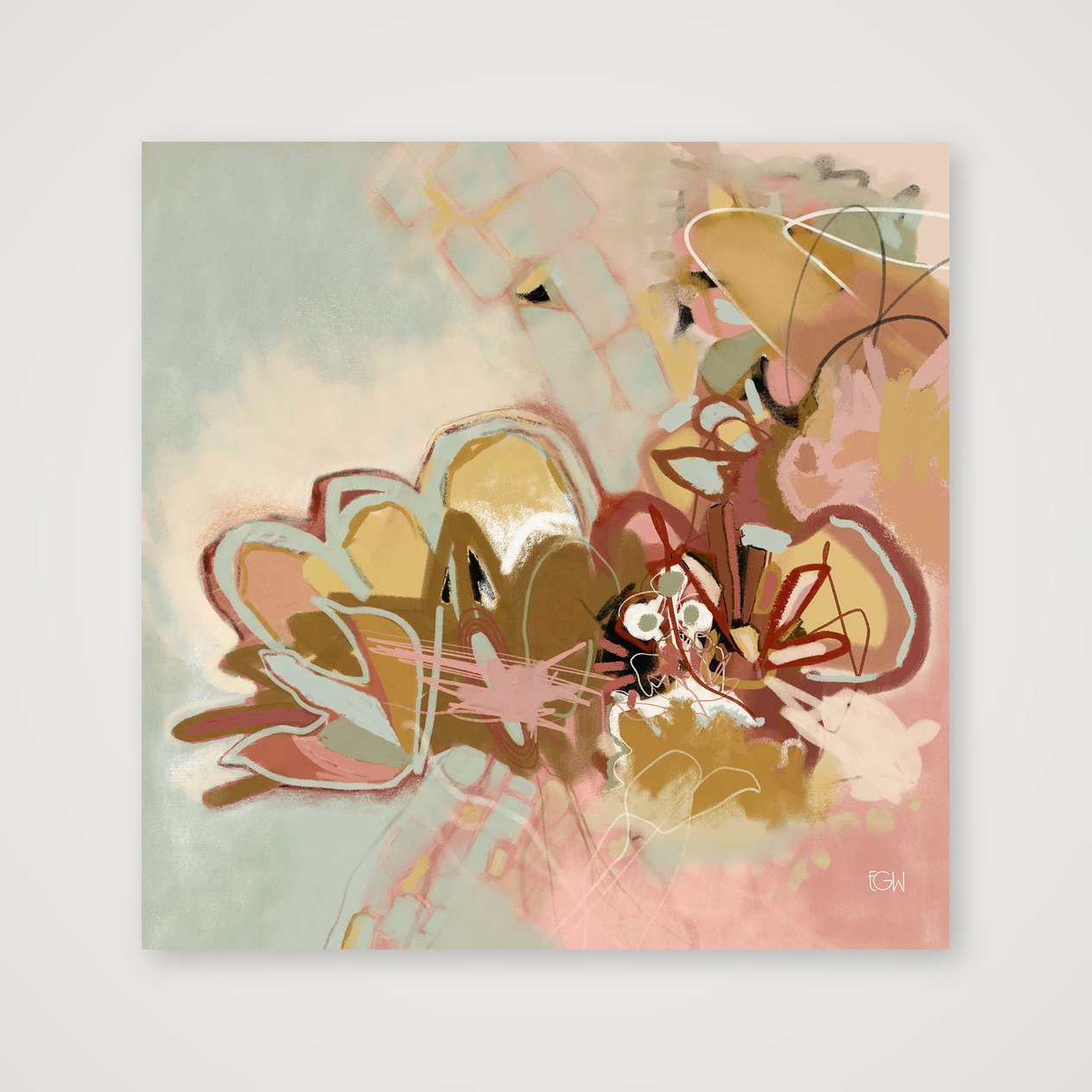
Created from original digital artwork by Emily Whitish.
Open edition
Professionally printed on museum-quality Hahnemühle Photo Rag 308 gsm using archival pigment inks
100% cotton, matte fine-art paper with a softly textured surface
Artwork is printed to the full listed dimensions with no added white border unless otherwise shown
Each print is digitally signed by the artist
Includes a Certificate of Authenticity
Optional frames are made from sustainably sourced solid wood and available in select sizes
Printed to order and shipped directly to you in protective, sustainable packaging
Each artwork is offered only in carefully selected sizes that preserve the original composition. Cropped or alternate aspect-ratio versions are not available.
Frames are available for select sizes only. Unframed prints are offered in both imperial and metric dimensions. If you plan to use custom framing, either format will work. If you’re using a ready-made frame, choose the size that best matches standard frame dimensions where you live.
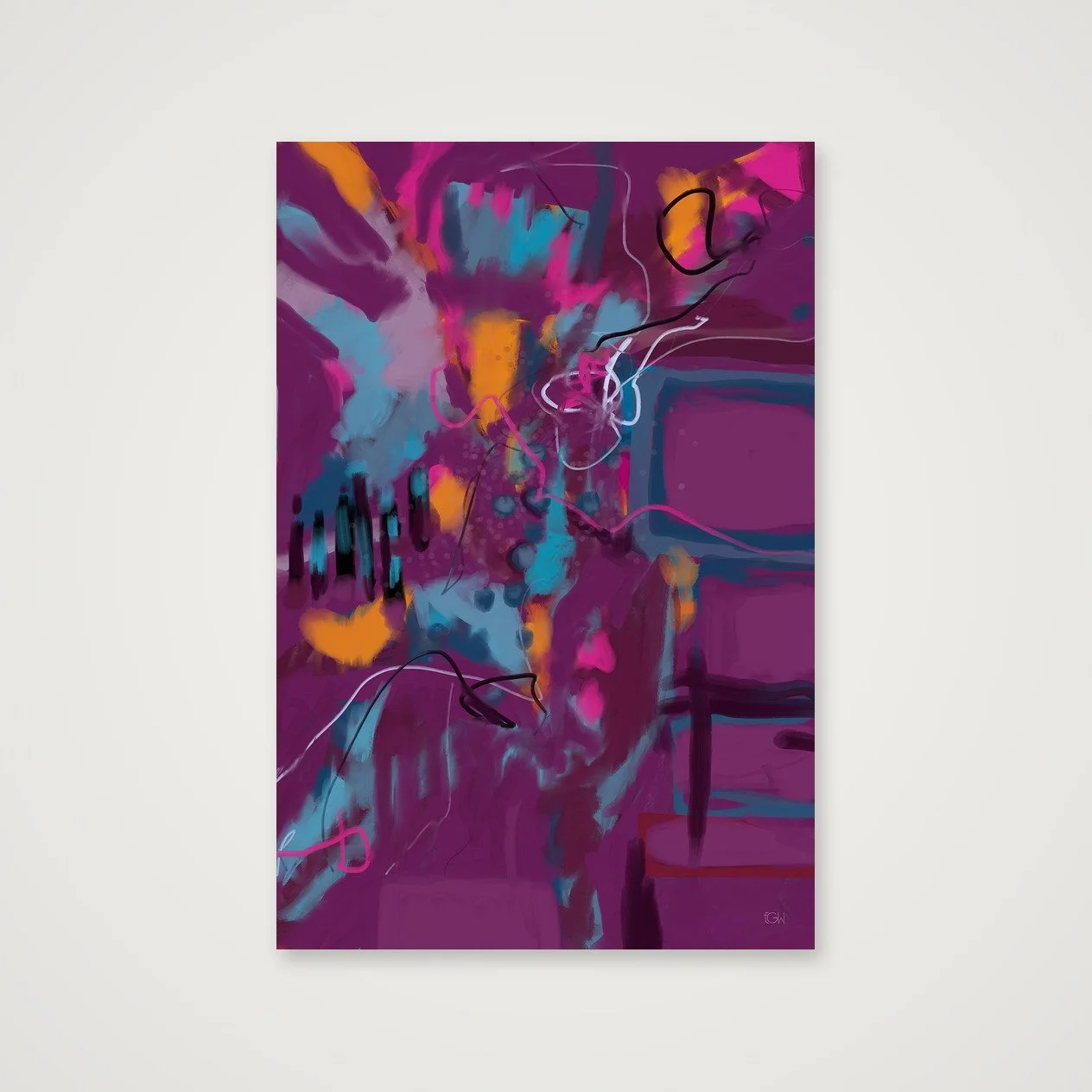
Created from original digital artwork by Emily Whitish.
Open edition
Professionally printed on museum-quality Hahnemühle Photo Rag 308 gsm using archival pigment inks
100% cotton, matte fine-art paper with a softly textured surface
Artwork is printed to the full listed dimensions with no added white border unless otherwise shown
Each print is digitally signed by the artist
Includes a Certificate of Authenticity
Optional frames are made from sustainably sourced solid wood and available in select sizes
Printed to order and shipped directly to you in protective, sustainable packaging
Each artwork is offered only in carefully selected sizes that preserve the original composition. Cropped or alternate aspect-ratio versions are not available.
Frames are available for select sizes only. Unframed prints are offered in both imperial and metric dimensions. If you plan to use custom framing, either format will work. If you’re using a ready-made frame, choose the size that best matches standard frame dimensions where you live.
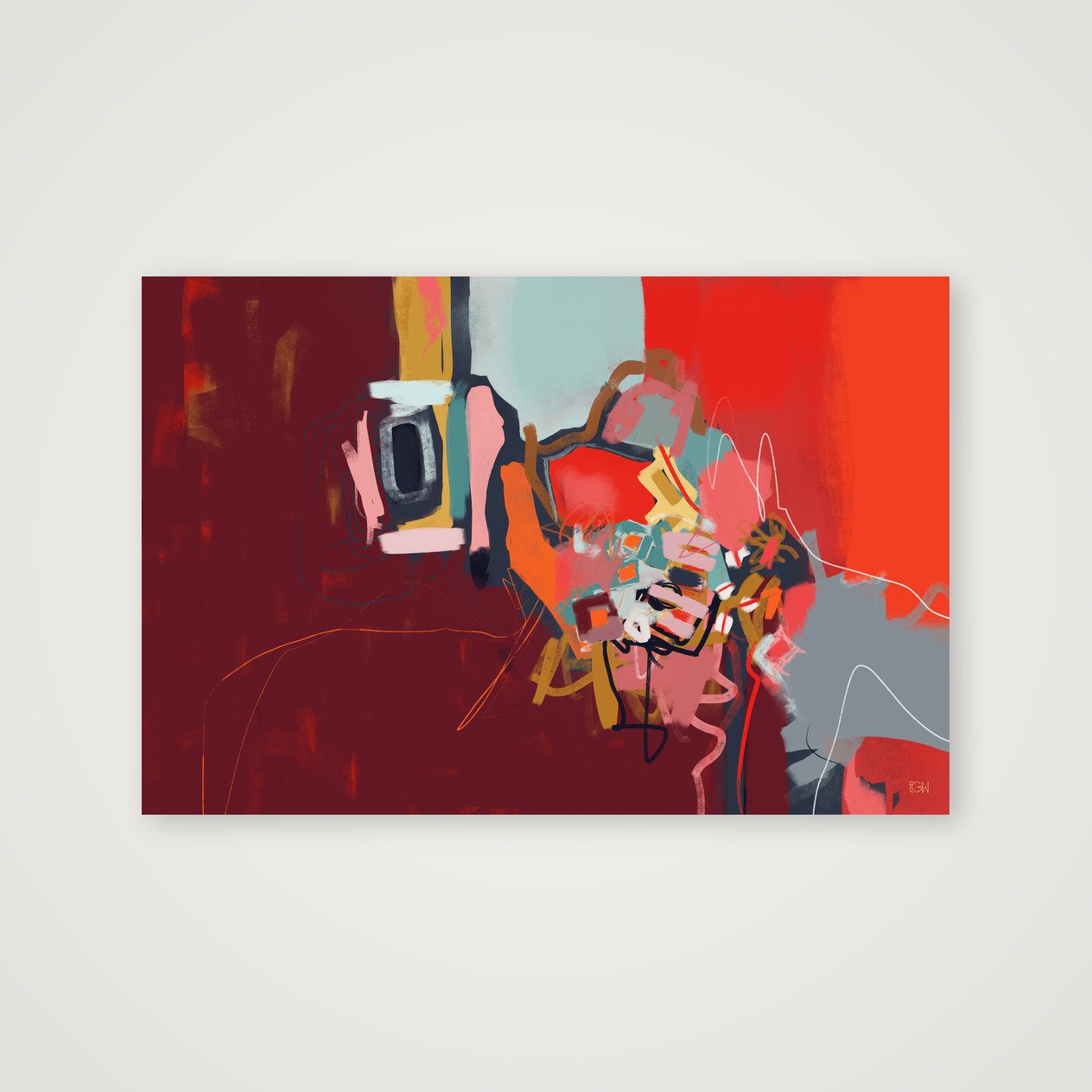
Created from original digital artwork by Emily Whitish.
Open edition
Professionally printed on museum-quality Hahnemühle Photo Rag 308 gsm using archival pigment inks
100% cotton, matte fine-art paper with a softly textured surface
Artwork is printed to the full listed dimensions with no added white border unless otherwise shown
Each print is digitally signed by the artist
Includes a Certificate of Authenticity
Optional frames are made from sustainably sourced solid wood and available in select sizes
Printed to order and shipped directly to you in protective, sustainable packaging
Each artwork is offered only in carefully selected sizes that preserve the original composition. Cropped or alternate aspect-ratio versions are not available.
Frames are available for select sizes only. Unframed prints are offered in both imperial and metric dimensions. If you plan to use custom framing, either format will work. If you’re using a ready-made frame, choose the size that best matches standard frame dimensions where you live.
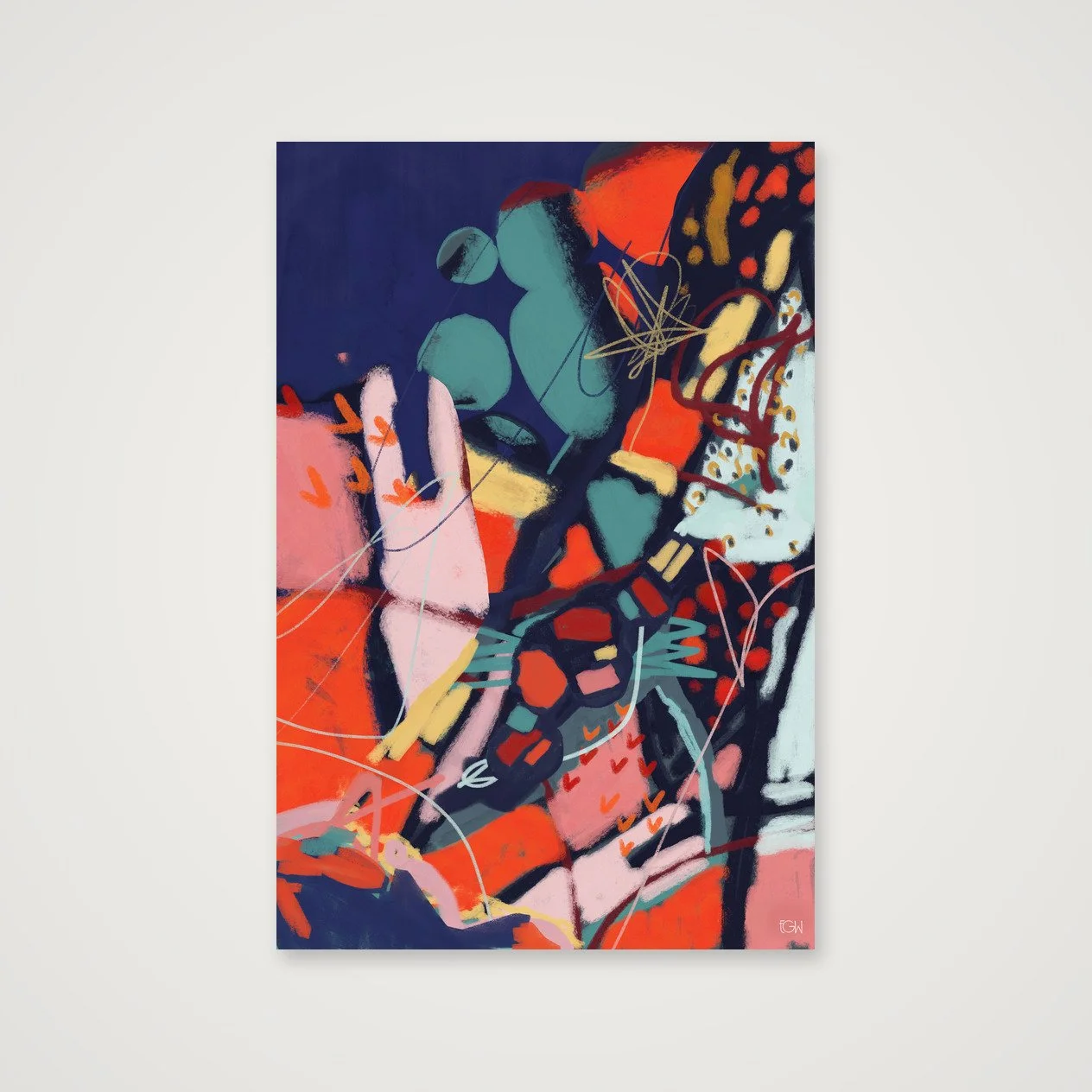
Created from original digital artwork by Emily Whitish.
Open edition
Professionally printed on museum-quality Hahnemühle Photo Rag 308 gsm using archival pigment inks
100% cotton, matte fine-art paper with a softly textured surface
Artwork is printed to the full listed dimensions with no added white border unless otherwise shown
Each print is digitally signed by the artist
Includes a Certificate of Authenticity
Optional frames are made from sustainably sourced solid wood and available in select sizes
Printed to order and shipped directly to you in protective, sustainable packaging
Each artwork is offered only in carefully selected sizes that preserve the original composition. Cropped or alternate aspect-ratio versions are not available.
Frames are available for select sizes only. Unframed prints are offered in both imperial and metric dimensions. If you plan to use custom framing, either format will work. If you’re using a ready-made frame, choose the size that best matches standard frame dimensions where you live.
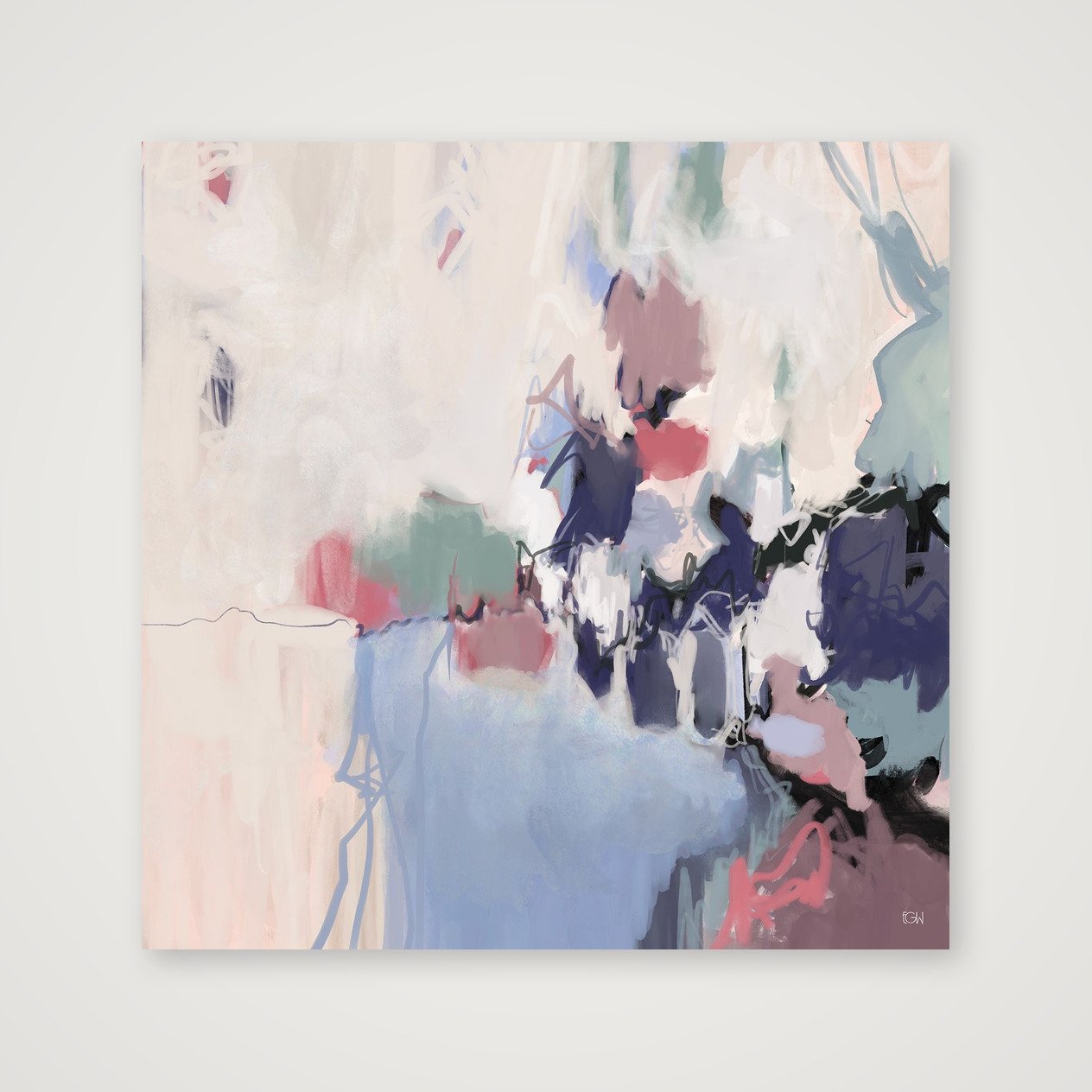
Created from original digital artwork by Emily Whitish.
Open edition
Professionally printed on museum-quality Hahnemühle Photo Rag 308 gsm using archival pigment inks
100% cotton, matte fine-art paper with a softly textured surface
Artwork is printed to the full listed dimensions with no added white border unless otherwise shown
Each print is digitally signed by the artist
Includes a Certificate of Authenticity
Optional frames are made from sustainably sourced solid wood and available in select sizes
Printed to order and shipped directly to you in protective, sustainable packaging
Each artwork is offered only in carefully selected sizes that preserve the original composition. Cropped or alternate aspect-ratio versions are not available.
Frames are available for select sizes only. Unframed prints are offered in both imperial and metric dimensions. If you plan to use custom framing, either format will work. If you’re using a ready-made frame, choose the size that best matches standard frame dimensions where you live.
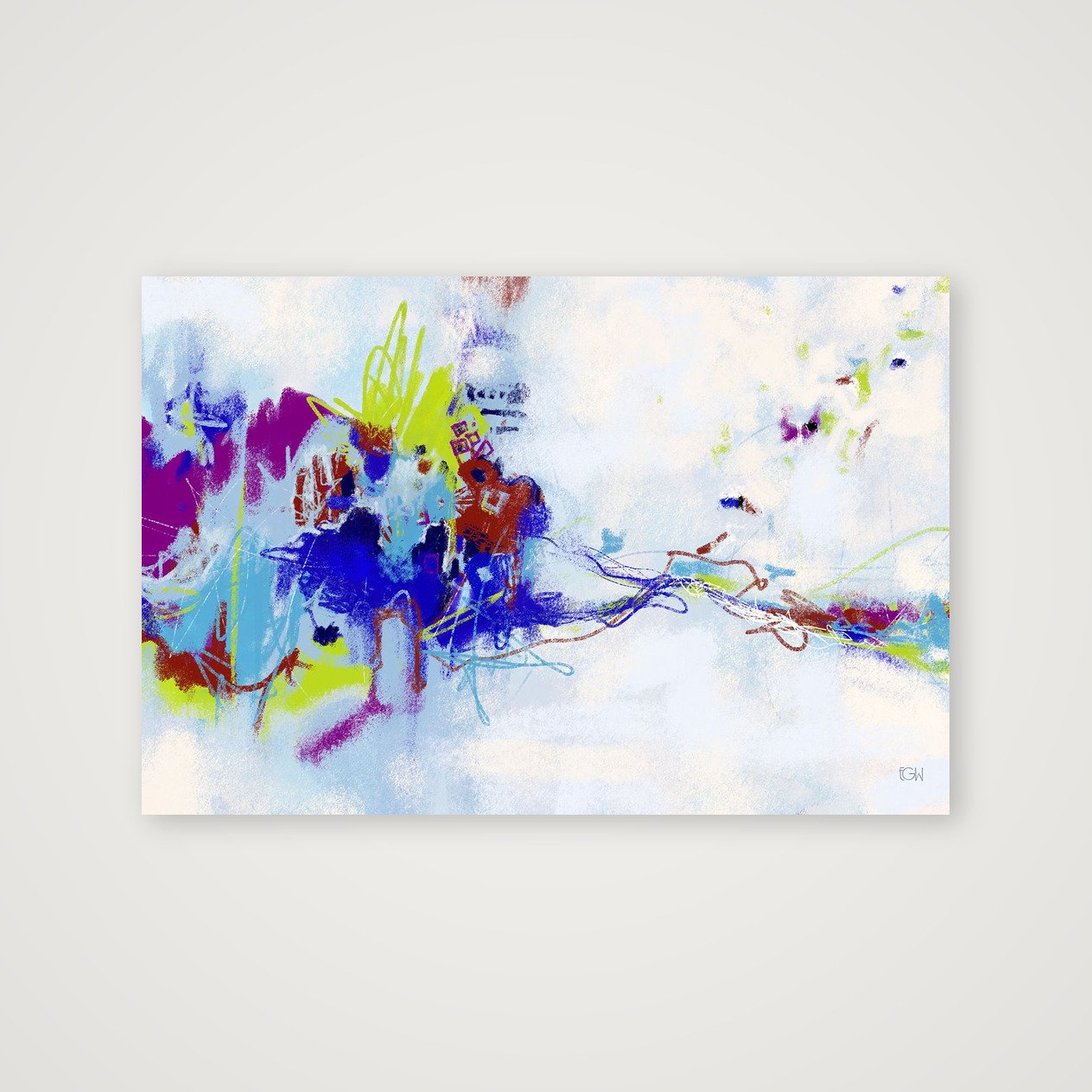
Created from original digital artwork by Emily Whitish.
Open edition
Professionally printed on museum-quality Hahnemühle Photo Rag 308 gsm using archival pigment inks
100% cotton, matte fine-art paper with a softly textured surface
Artwork is printed to the full listed dimensions with no added white border unless otherwise shown
Each print is digitally signed by the artist
Includes a Certificate of Authenticity
Optional frames are made from sustainably sourced solid wood and available in select sizes
Printed to order and shipped directly to you in protective, sustainable packaging
Each artwork is offered only in carefully selected sizes that preserve the original composition. Cropped or alternate aspect-ratio versions are not available.
Frames are available for select sizes only. Unframed prints are offered in both imperial and metric dimensions. If you plan to use custom framing, either format will work. If you’re using a ready-made frame, choose the size that best matches standard frame dimensions where you live.
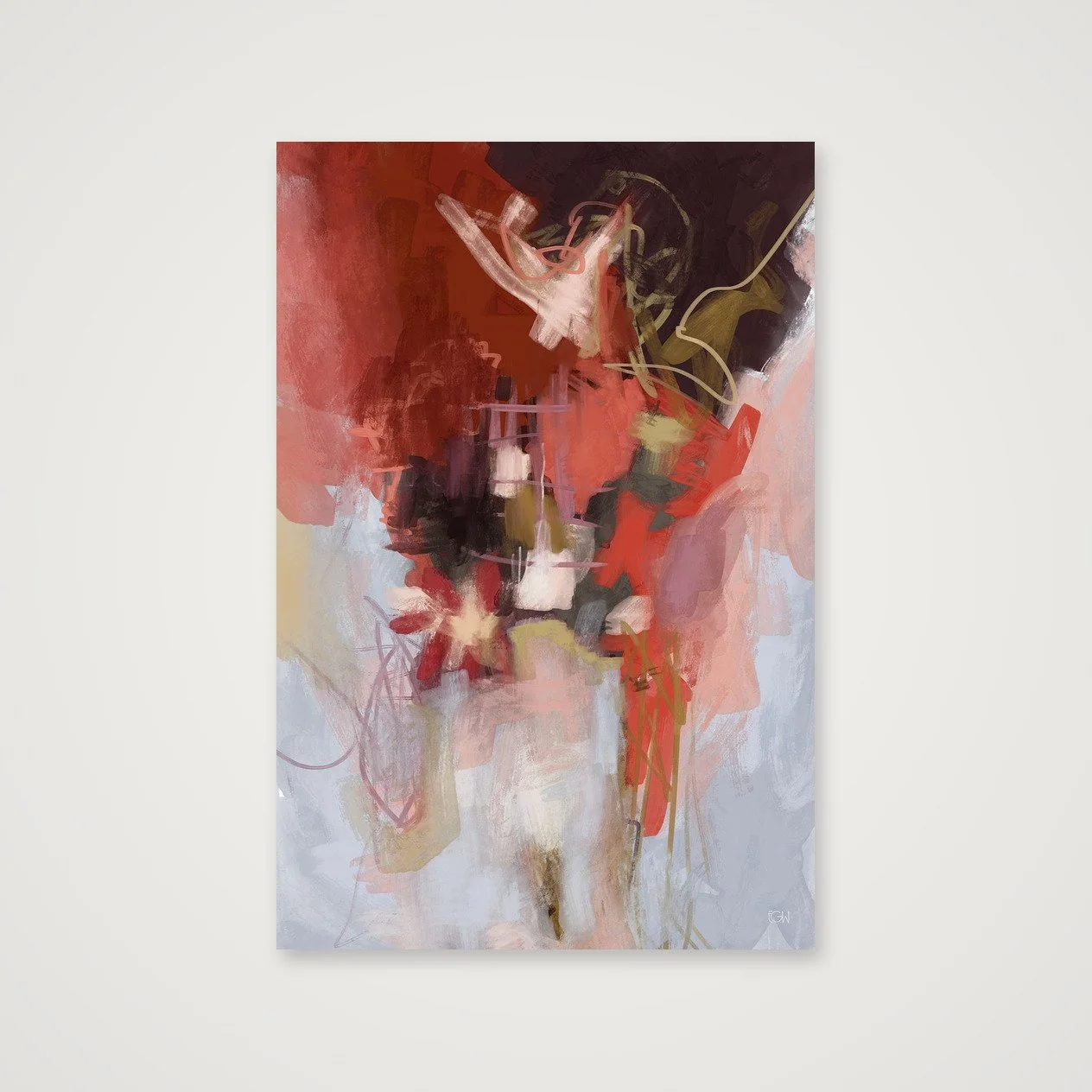
Created from original digital artwork by Emily Whitish.
Open edition
Professionally printed on museum-quality Hahnemühle Photo Rag 308 gsm using archival pigment inks
100% cotton, matte fine-art paper with a softly textured surface
Artwork is printed to the full listed dimensions with no added white border unless otherwise shown
Each print is digitally signed by the artist
Includes a Certificate of Authenticity
Optional frames are made from sustainably sourced solid wood and available in select sizes
Printed to order and shipped directly to you in protective, sustainable packaging
Each artwork is offered only in carefully selected sizes that preserve the original composition. Cropped or alternate aspect-ratio versions are not available.
Frames are available for select sizes only. Unframed prints are offered in both imperial and metric dimensions. If you plan to use custom framing, either format will work. If you’re using a ready-made frame, choose the size that best matches standard frame dimensions where you live.
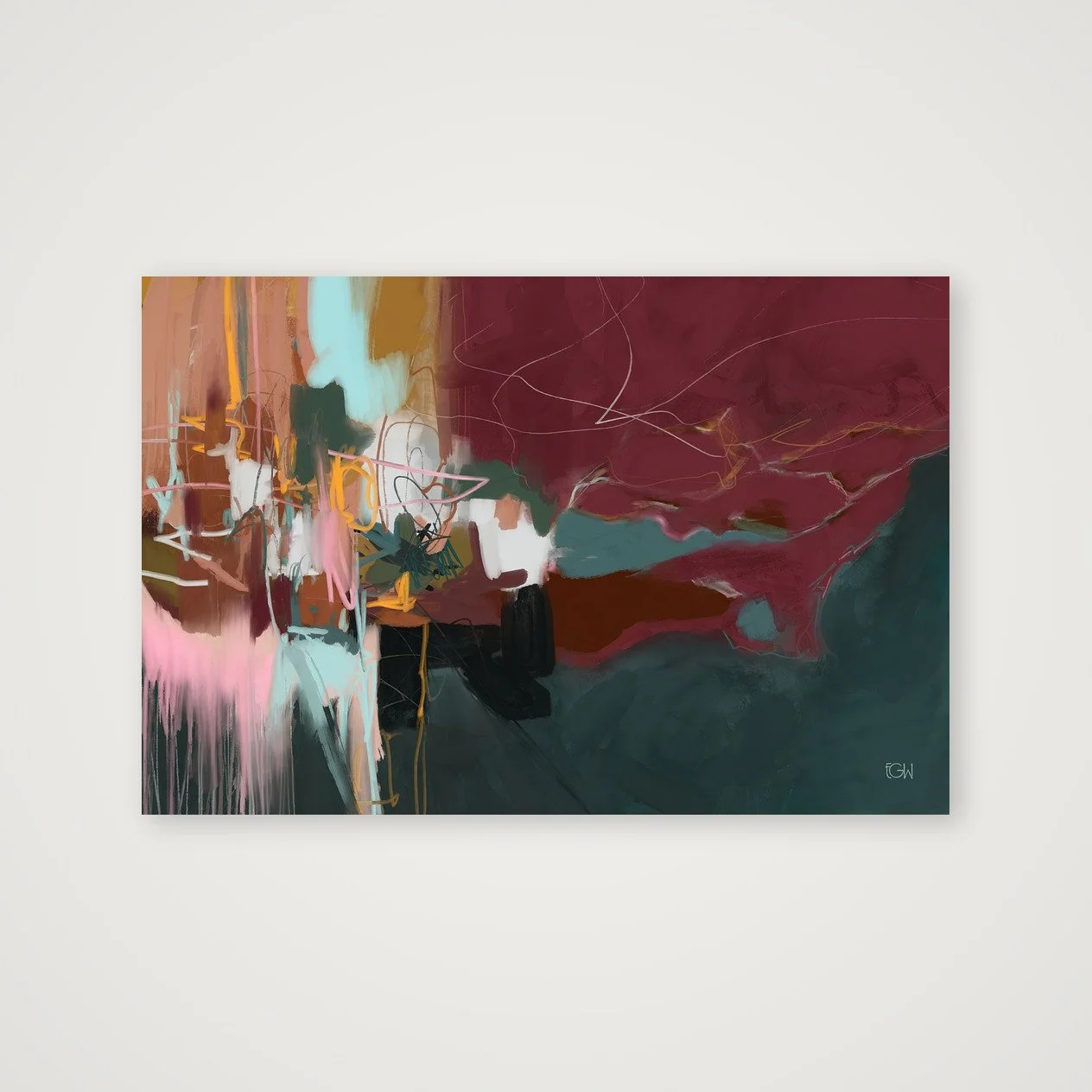
Created from original digital artwork by Emily Whitish.
Open edition
Professionally printed on museum-quality Hahnemühle Photo Rag 308 gsm using archival pigment inks
100% cotton, matte fine-art paper with a softly textured surface
Artwork is printed to the full listed dimensions with no added white border unless otherwise shown
Each print is digitally signed by the artist
Includes a Certificate of Authenticity
Optional frames are made from sustainably sourced solid wood and available in select sizes
Printed to order and shipped directly to you in protective, sustainable packaging
Each artwork is offered only in carefully selected sizes that preserve the original composition. Cropped or alternate aspect-ratio versions are not available.
Frames are available for select sizes only. Unframed prints are offered in both imperial and metric dimensions. If you plan to use custom framing, either format will work. If you’re using a ready-made frame, choose the size that best matches standard frame dimensions where you live.

Emily Whitish is a contemporary abstract artist based on Bainbridge Island, Washington. Her work is driven by color, movement, intuition, and a strong interest in composition and visual tension. She creates expressive paintings that balance structure with spontaneity and invite close attention to shape, gesture, and unexpected relationships.
 High Five Design Co.
 by Emily Whitish is a design and digital marketing company in Seattle, WA. I specialize in Website Templates and custom One-Day Websites for therapists, counselors, and coaches.
Created from original digital artwork by Emily Whitish.
Open edition
Professionally printed on museum-quality Hahnemühle Photo Rag 308 gsm using archival pigment inks
100% cotton, matte fine-art paper with a softly textured surface
Artwork is printed to the full listed dimensions with no added white border unless otherwise shown
Each print is digitally signed by the artist
Includes a Certificate of Authenticity
Optional frames are made from sustainably sourced solid wood and available in select sizes
Printed to order and shipped directly to you in protective, sustainable packaging
Each artwork is offered only in carefully selected sizes that preserve the original composition. Cropped or alternate aspect-ratio versions are not available.
Frames are available for select sizes only. Unframed prints are offered in both imperial and metric dimensions. If you plan to use custom framing, either format will work. If you’re using a ready-made frame, choose the size that best matches standard frame dimensions where you live.